Smart City Memphis
 

Sign up or Login

Forbes Magazine Slaps Local PILOT Program

by Smart City Memphis (RSS) | June 13th, 2006 11:30am CST

From Forbes magazine this week comes this report on the PILOT program that waives more than $50 million a year (city and county taxes combined; this article only addresses city tax freezes):

States and cities lure businesses with promises of tax abatements and other goodies. They’d do better with broad-based tax cuts.

The recent Supreme Court decision validating state tax incentives for corporations looked like a triumph for tax-cutting. But it was a Pyrrhic victory. Targeted tax cuts aimed at attracting particular employers are bad policy–bad for the states and bad, in the long run, for the corporations that are the intended beneficiaries.

For decades now targeted tax incentives have been a favorite elixir of state and local politicians in depressed communities. But targeted tax incentives don’t spur real growth. Quite the contrary. While across-the-board tax cuts expand economic activity, targeted tax incentives are inevitably financed at the expense of established businesses. Today’s winner of a targeted tax break is tomorrow’s victim of a broad increase in business taxes. Assuming, that is, that this employer sticks around.

Memphis, Tenn.’s Payment-in-Lieu-of-Tax (Pilot) program is a case in point. For 18 years Pilot has created property tax holidays (of up to 15 years) for businesses adding jobs in the city. The cost, as measured by local and state authorities in the last thorough study (for 2002), was 7.4% of property tax revenue, or $23 million a year.

What does Memphis get for its $23 million? According to a study paid for by the city, Pilot created 65,000 jobs between 1988 and 2000. But that claim is tough to reconcile with the city’s unemployment rate. In 1990 the rate equaled the national average. Now, at 7%, it’s two points above the national level. Memphis’ poverty rate is 21.5%, twice the national average.

Here are a few more damning numbers: Between 1993 and 2002, 21 companies in Memphis received Pilots but then had the Pilot terminated, usually because the company didn’t live up to the promises it had made in order to win the tax breaks. In that same time period another 19 companies that got Pilots and kept their promises by staying a certain number of years eventually left the city for greener pastures.

One specific example: SubmitOrder.com, a now defunct order-fulfillment company for Internet retailers. In 2000 the company promised to invest $79 million and generate 971 jobs with a median wage of $27,600. In exchange, the city granted SubmitOrder a 15-year property tax freeze. SubmitOrder stayed in Memphis for just one year and generated only 50 jobs during that time. Neither the company nor city officials foresaw the bursting of the tech bubble, but the fact that their crystal ball was on the fritz illustrates the obvious problems associated with extending tax breaks into a murky future.

Many companies that received Pilots did indeed stay in Memphis. But it’s tough to say that the Pilots were the reason. Some would have come to Memphis anyway, and others lobbied to receive extended tax exemptions. Who wouldn’t? Electrical equipment maker Thomas & Betts, for instance, has become one of the most successful businesses in Memphis. It received a 15-year tax incentive in 1996. But it’s impossible to know whether the company would have come to Memphis without Pilot.

Memphis city leaders know that the Pilot program hasn’t produced the desired results. This month the city council is voting on a proposal to move the power to award tax breaks from a nonpartisan development board to the council itself. But such a change would fix nothing. Rather, it would simply add a layer of politics and favor-courting to an ineffective program.

Unfortunately, the mere existence of tax-incentive programs can hinder deeper reform. In Memphis city expenditures have increased by 27% in real terms in the last ten years, while reserves have dwindled.

So, what’s a city to do?

The answer is surprisingly simple. Keep taxes low across the board. Don’t grant favors. Cities and states that pursue nondiscriminatory reforms, like reining in taxes, debt and public spending, will enjoy the most robust growth. Remove barriers rather than trying to steer economic growth to this favored corporation or that one.


Tags: Uncategorized

Categories: Uncategorized

Comments RSS Feed

Tweet

Comments are closed.

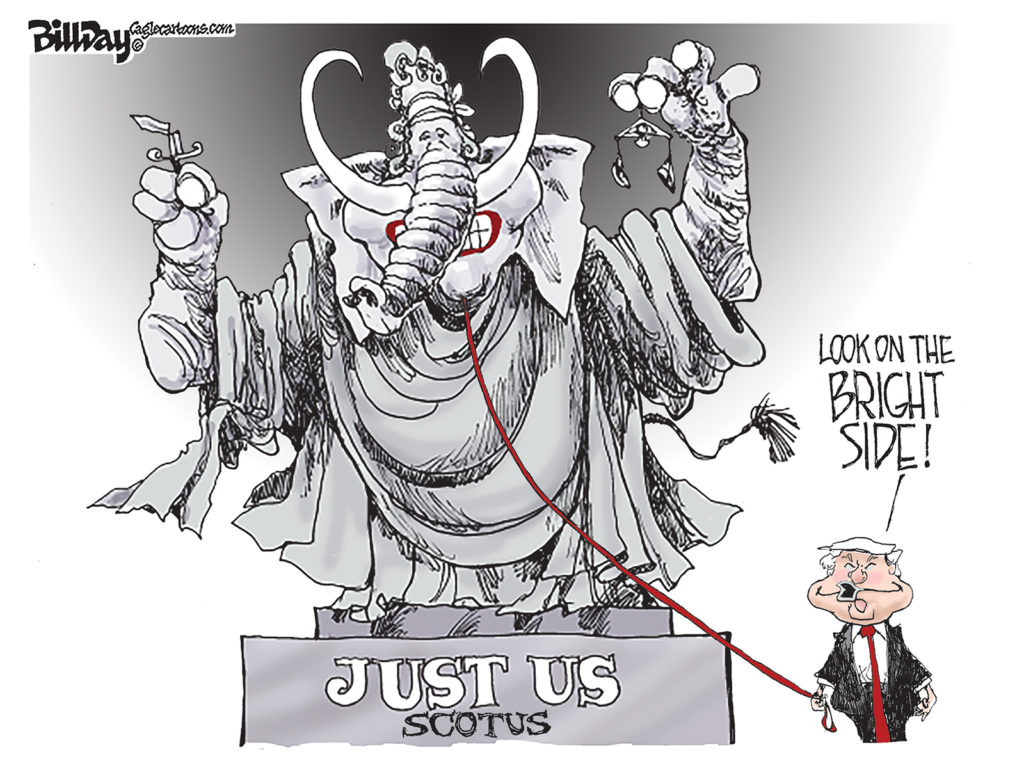
Our Fracking Congress

by Bill Day. Memphian Bill Day is two-time winner of the RFK Journalism Award in Cartooning. His cartoons are syndicated internationally by Cagle Cartoons. Cartoons Archive →

Photograph by Amie Vanderford

More Images

Memphian Amie Vanderford is a photographer for peace and justice. Her portfolio includes photographs from Peru, Zimbabwe, Nepal, Indian, and her hometown.

  • Subscribe to Posts via Email

    You can get Smart City Memphis posts right in your e-mail box. Just sign up below to begin receiving them.


  • RSS

    • New Videos: Stories of Auto-Rickshaws in India

    • Sustainable Urban Transport in India: Role of the Auto-Rickshaw Sector

    • New Competition: Encouraging Youth to Rethink Public Transportation

    • Paris to Allow Cyclists to Run Red Lights

    • Research Recap, February 6: Urban Happiness, Electric Highways, Cooperative ITS

    • Living Without a Car in Bogotá: Day 12

  • RSS

    • The Changing Face of Housing

    • How Seville’s Hidden Treasures Became the World’s Largest Glued Wood Structure

    • Four Pioneering Examples of Sustainable Refurbishment from Around the World

    • Do You Have an Idea for our Urban World? 21 Cities, 90 Million Citizens are Interested

    • #CycleSafe – Eight Achievable Steps for Creating Cities fit for Cycling

    • Bogotá Citizens Take to Youtube to Criticize the Transmilenio BRT System

  • RSS

    • Disturbing Video of the Day: Cloud of Filth Emanates from Bus Seat

    • Scenes From Europe's Frozen Cities

    • One Month in Beijing = Smoking 5 Cigarettes

    • This Week in Bans: 'Gay Lifestyles' Outlawed in St. Petersburg, Russia

    • Azerbaijan's Plans for a One Kilometer-Tall Skyscraper

    • Postcard From Venice

  • Search Posts

  • About Smart City Memphis

    This is the blog by Smart City Consulting and its opinions are informed by our work in Memphis and other cities on a variety of issues affecting urban success. Smart City Memphis was named one of the most intriguing blogs in the U.S. by the Pew Partnership for Civic Change. Our intent is to "connect the dots" on events, issues, and policies that shape Memphis and its future, and to frame Memphis issues in a national context. The blog's editor is Tom Jones, principal at Smart City Consulting and an editorial contributor at Memphis magazine, where he writes the monthly column, City Journal. Send blog posts, ideas, suggestions, and emails to tjones@smartcityconsulting.com.
  • Archives

    • February 2012 (11)
    • January 2012 (35)
    • December 2011 (29)
    • November 2011 (30)
    • October 2011 (34)
    • September 2011 (33)
    • August 2011 (39)
    • July 2011 (36)
    • June 2011 (41)
    • May 2011 (36)
    • April 2011 (57)
    • March 2011 (39)
    • February 2011 (45)
    • January 2011 (56)
    • December 2010 (44)
    • November 2010 (30)
    • October 2010 (28)
    • September 2010 (24)
    • August 2010 (22)
    • July 2010 (23)
    • June 2010 (34)
    • May 2010 (28)
    • April 2010 (32)
    • March 2010 (35)
    • February 2010 (31)
    • January 2010 (43)
    • December 2009 (49)
    • November 2009 (17)
    • October 2009 (24)
    • September 2009 (23)
    • August 2009 (18)
    • July 2009 (22)
    • June 2009 (28)
    • May 2009 (23)
    • April 2009 (23)
    • March 2009 (26)
    • February 2009 (25)
    • January 2009 (36)
    • December 2008 (15)
    • November 2008 (22)
    • October 2008 (21)
    • September 2008 (25)
    • August 2008 (23)
    • July 2008 (32)
    • June 2008 (27)
    • May 2008 (35)
    • April 2008 (26)
    • March 2008 (25)
    • February 2008 (29)
    • January 2008 (33)
    • December 2007 (20)
    • November 2007 (19)
    • October 2007 (32)
    • September 2007 (25)
    • August 2007 (25)
    • July 2007 (26)
    • June 2007 (16)
    • May 2007 (21)
    • April 2007 (25)
    • March 2007 (18)
    • February 2007 (16)
    • January 2007 (17)
    • December 2006 (16)
    • November 2006 (14)
    • October 2006 (18)
    • September 2006 (21)
    • August 2006 (20)
    • July 2006 (20)
    • June 2006 (17)
    • May 2006 (12)
    • April 2006 (19)
    • March 2006 (20)
    • February 2006 (23)
    • January 2006 (16)
    • December 2005 (23)
    • November 2005 (21)
    • October 2005 (23)
    • September 2005 (19)
    • August 2005 (27)
    • July 2005 (23)
    • June 2005 (16)
    • 0 (2)
  • Categories

  • Contributors

    • Aaron Shafer
    • Andrew Trippel
    • Anthony Siracusa
    • Barry Chase
    • Brad Leon
    • Brian Stephens
    • CEOs for Cities
    • Charles Santo
    • Chris Sanders
    • David Williams
    • Doug Imig
    • Elizabeth Alley
    • Emily Trenholm
    • Eric Mathews
    • Gene Pearson
    • Gene Pearson and Louise Mercuro
    • Greg Thompson
    • Gwyn Fisher
    • Janet Boscarino
    • Jim Strickland
    • Jimmie Covington
    • John Kirkscey
    • John Lawrence
    • Jonathan Flynt
    • Josh Whitehead
    • Julie Ellis
    • Kenya Bradshaw
    • Laura Adams
    • Leah Wells
    • Louise Mercuro, AICP
    • Lurene Cachola Kelley
    • Margot McNeeley
    • Matt Farr
    • Matt Timberlake
    • Melissa Petersen
    • Natashia Gregoire
    • Ray Brown
    • Rev. Steve Montgomery
    • Robert Bain
    • SCM
    • Scott L. Newstok
    • Smart City Memphis
    • Smart City Radio
    • Steve Bares
    • Steve Lockwood
    • Susan Adler Thorp
    • Tom Jones
    • Tomeka Hart
    • Tommy Pacello
    • Women Unite
    • Zach Hoyt

© 2012 Smart City Memphis. All rights reserved.

  • Register
  • Log in
  • RSS
  • Smart City Radio
  • Smart City Consulting