Smart City Memphis
 

Sign up or Login

No Crisis Can Pave Over Roadbuilders’ Influence, Part 2

by Smart City Memphis (RSS) | October 28th, 2008 7:18pm CST

Continued from the previous posting:

All of this concern that $2 billion isn’t enough for roadbuilders must seem extremely misplaced to officials in higher education, like our university president Dr. Raines, who are making increasingly tough decisions because of state cuts to their budgets.

Our university presidents are making budget decisions that will decide which young people have opportunities for the future and which will not. Our university presidents are left with no decent options, and the end result will be abysmal for Tennessee – fewer students attending our public universities and fewer professors to teach them and many fewer numbers of poor students who will be able to pay hikes in tuition that are inevitable.

Already floated in Nashville as ideas for more funding for the roadbuilding industry is increasing the 21.4 cents per gallon state tax on gas or raising the current $24 state registration fee.

A Different Question

Here’s our question. If we are considering raising these taxes and fees, why can’t we consider other uses for them? Why should they automatically go to roads?

Here’s the context for all this: with its recent $4 million cut in state funding, the State of Tennessee has now cut its investment in the University of Memphis by $11 million, or 9%, in a couple of years. And rumors of more cuts are rumbling in Nashville.

The recent emergency cuts instituted by Governor Phil Bredesen call for higher education budgets to be slashed $43.7 million. It could not possibly come at a worst time for Memphis. Earlier this year, Portland economist Joe Cortright, speaking at Leadership Memphis’ community breakfast, said that the single most important indicator of whether a city will be successful in the future is its percentage of people with college degrees.

Stopping The Race To The Bottom

Unfortunately, Memphis languishes near the bottom of the list of the largest 50 metros, and Mr. Cortright said that if Memphis could move to the middle of this list, it would produce $3 billion in economic growth. The state of Tennessee, in its past funding and with the recent funding cuts, only makes that hill steeper to climb for our city.

How about the Legislature amending the law to give it the flexibility to divert money from the $1 billion in state gas tax revenues to maintain even more essential services like higher education until the state budget outlook improves? If the state gas tax and registration fees are to be increased, how about directing it to public universities like the University of Memphis whose success ripples throughout our city and defines our options for the future?

There is one glimmer of good news. Faced with the prospects of fewer roads to build, the roadbuilding industry seems willing to consider more seriously the possibility of state toll roads. As we’ve suggested before, State of Tennessee should start by putting up the toll gates – and taking down the I-269 signs – on the circumferential highway – Tennessee 385 – looping around Shelby County, yet another half billion dollar gift to the development industry.

Getting Green

Most of all, it’s past time for state government to give leadership to a more sustainable Tennessee. Rather than giving incentives to create more driving, state government should be investing and encouraging in more sustainable behavior by its citizens, and this should include emphasis on public transit, which for decades has received lip service and little money in discussions about transportation funding. In fact, if there’s any transportation that deserves a dedicated funding source, we’d suggest that public transit deserves it, not roadbuilders.

In a state legislature controlled by rural legislators, urban public transit is stereotyped as something for urban dwellers, largely those of a different race, and as a result, we lose opportunities for the kind of modern 21st century public transit system in Memphis that attracts more riders, improves our sustainability, and reduces our public bond debt.

If the special study committee members have consciences, they should encourage state government to make public transit a centerpiece for transportation planning and funding. There’s so much that Tennessee needs to be doing and investments that we need to be making to be competitive in the knowledge economy, and better public transit in our cities is a key one of them.

Getting The Priorities Right

Meanwhile, if state government wants to appoint special study committees, we’d recommend one that once and for all gets our state serious about higher education.

And if such a committee is appointed, we suggest that its review should begin back when State of Tennessee made the visionary decision to plug the gap in the state budget with the hundreds of millions of dollars of tobacco settlement money. Instead of doing something transformative – such as setting up something like an endowment to produce yearly funding for government innovation or investing in higher quality higher education or investing in transformative strategies, state officials simply put this unexpected massive funding into the state cash register.

It was the budgetary equivalent of eating your seed corn. Because of all this, there are long odds that state government or the new study committee will get it right this time. So far, there’s little reason to be optimistic.


Tags: Uncategorized

Categories: Uncategorized

Comments RSS Feed

Tweet

Comments are closed.

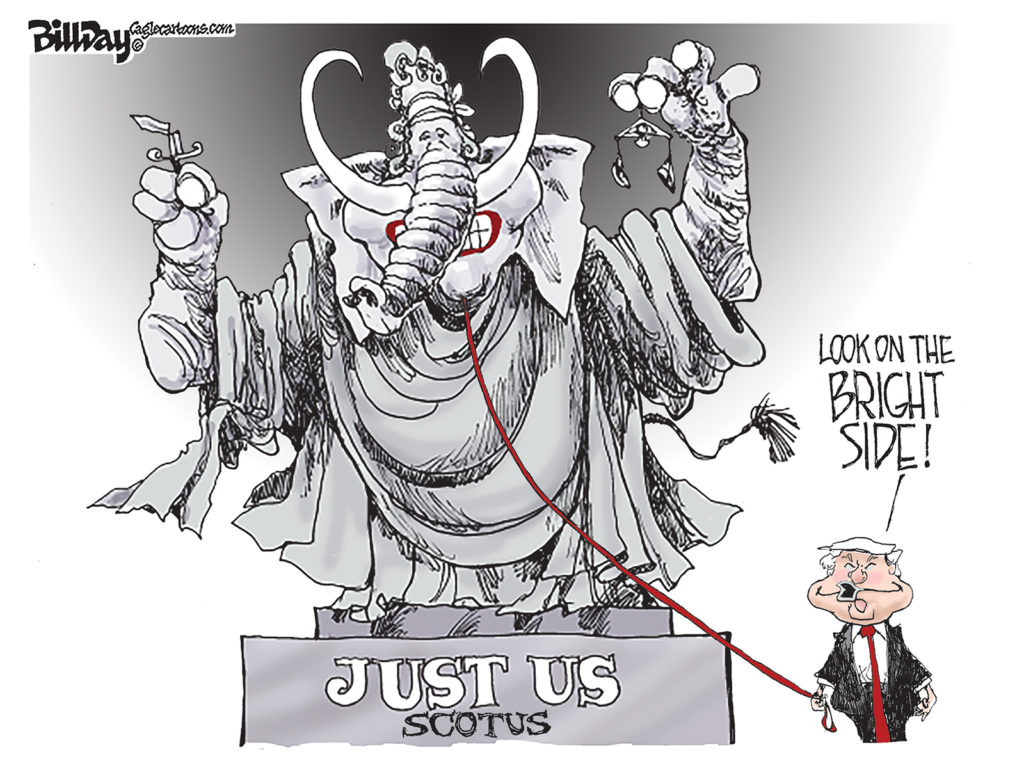
Our Fracking Congress

by Bill Day. Memphian Bill Day is two-time winner of the RFK Journalism Award in Cartooning. His cartoons are syndicated internationally by Cagle Cartoons. Cartoons Archive →

Photograph by Amie Vanderford

More Images

Memphian Amie Vanderford is a photographer for peace and justice. Her portfolio includes photographs from Peru, Zimbabwe, Nepal, Indian, and her hometown.

  • Subscribe to Posts via Email

    You can get Smart City Memphis posts right in your e-mail box. Just sign up below to begin receiving them.


  • RSS

    • New Videos: Stories of Auto-Rickshaws in India

    • Sustainable Urban Transport in India: Role of the Auto-Rickshaw Sector

    • New Competition: Encouraging Youth to Rethink Public Transportation

    • Paris to Allow Cyclists to Run Red Lights

    • Research Recap, February 6: Urban Happiness, Electric Highways, Cooperative ITS

    • Living Without a Car in Bogotá: Day 12

  • RSS

    • How Bogotá Inspired Sustainable Cities Across the Globe

    • The Changing Face of Housing

    • How Seville’s Hidden Treasures Became the World’s Largest Glued Wood Structure

    • Four Pioneering Examples of Sustainable Refurbishment from Around the World

    • Do You Have an Idea for our Urban World? 21 Cities, 90 Million Citizens are Interested

    • #CycleSafe – Eight Achievable Steps for Creating Cities fit for Cycling

  • RSS

    • Postcard From Cologne

    • How To Make a Building Restoration Into a Hot Spot

    • Getting a Handel on Transit Crime

    • The Secret to a Successful Urban Stadium

    • Should Public Trees Bear Fruit?

    • Canada Shifts West

  • Search Posts

  • About Smart City Memphis

    This is the blog by Smart City Consulting and its opinions are informed by our work in Memphis and other cities on a variety of issues affecting urban success. Smart City Memphis was named one of the most intriguing blogs in the U.S. by the Pew Partnership for Civic Change. Our intent is to "connect the dots" on events, issues, and policies that shape Memphis and its future, and to frame Memphis issues in a national context. The blog's editor is Tom Jones, principal at Smart City Consulting and an editorial contributor at Memphis magazine, where he writes the monthly column, City Journal. Send blog posts, ideas, suggestions, and emails to tjones@smartcityconsulting.com.
  • Archives

    • February 2012 (11)
    • January 2012 (35)
    • December 2011 (29)
    • November 2011 (30)
    • October 2011 (34)
    • September 2011 (33)
    • August 2011 (39)
    • July 2011 (36)
    • June 2011 (41)
    • May 2011 (36)
    • April 2011 (57)
    • March 2011 (39)
    • February 2011 (45)
    • January 2011 (56)
    • December 2010 (44)
    • November 2010 (30)
    • October 2010 (28)
    • September 2010 (24)
    • August 2010 (22)
    • July 2010 (23)
    • June 2010 (34)
    • May 2010 (28)
    • April 2010 (32)
    • March 2010 (35)
    • February 2010 (31)
    • January 2010 (43)
    • December 2009 (49)
    • November 2009 (17)
    • October 2009 (24)
    • September 2009 (23)
    • August 2009 (18)
    • July 2009 (22)
    • June 2009 (28)
    • May 2009 (23)
    • April 2009 (23)
    • March 2009 (26)
    • February 2009 (25)
    • January 2009 (36)
    • December 2008 (15)
    • November 2008 (22)
    • October 2008 (21)
    • September 2008 (25)
    • August 2008 (23)
    • July 2008 (32)
    • June 2008 (27)
    • May 2008 (35)
    • April 2008 (26)
    • March 2008 (25)
    • February 2008 (29)
    • January 2008 (33)
    • December 2007 (20)
    • November 2007 (19)
    • October 2007 (32)
    • September 2007 (25)
    • August 2007 (25)
    • July 2007 (26)
    • June 2007 (16)
    • May 2007 (21)
    • April 2007 (25)
    • March 2007 (18)
    • February 2007 (16)
    • January 2007 (17)
    • December 2006 (16)
    • November 2006 (14)
    • October 2006 (18)
    • September 2006 (21)
    • August 2006 (20)
    • July 2006 (20)
    • June 2006 (17)
    • May 2006 (12)
    • April 2006 (19)
    • March 2006 (20)
    • February 2006 (23)
    • January 2006 (16)
    • December 2005 (23)
    • November 2005 (21)
    • October 2005 (23)
    • September 2005 (19)
    • August 2005 (27)
    • July 2005 (23)
    • June 2005 (16)
    • 0 (2)
  • Categories

  • Contributors

    • Aaron Shafer
    • Andrew Trippel
    • Anthony Siracusa
    • Barry Chase
    • Brad Leon
    • Brian Stephens
    • CEOs for Cities
    • Charles Santo
    • Chris Sanders
    • David Williams
    • Doug Imig
    • Elizabeth Alley
    • Emily Trenholm
    • Eric Mathews
    • Gene Pearson
    • Gene Pearson and Louise Mercuro
    • Greg Thompson
    • Gwyn Fisher
    • Janet Boscarino
    • Jim Strickland
    • Jimmie Covington
    • John Kirkscey
    • John Lawrence
    • Jonathan Flynt
    • Josh Whitehead
    • Julie Ellis
    • Kenya Bradshaw
    • Laura Adams
    • Leah Wells
    • Louise Mercuro, AICP
    • Lurene Cachola Kelley
    • Margot McNeeley
    • Matt Farr
    • Matt Timberlake
    • Melissa Petersen
    • Natashia Gregoire
    • Ray Brown
    • Rev. Steve Montgomery
    • Robert Bain
    • SCM
    • Scott L. Newstok
    • Smart City Memphis
    • Smart City Radio
    • Steve Bares
    • Steve Lockwood
    • Susan Adler Thorp
    • Tom Jones
    • Tomeka Hart
    • Tommy Pacello
    • Women Unite
    • Zach Hoyt

© 2012 Smart City Memphis. All rights reserved.

  • Register
  • Log in
  • RSS
  • Smart City Radio
  • Smart City Consulting