Smart City Memphis
 

Sign up or Login

Spirit of ’76

by Smart City Memphis (RSS) | April 30th, 2006 12:17pm CDT

Tweet

Memphis Magazine, in its 30th anniversary issue in April, began a new monthly column, City Journal. Here’s the inaugural installment by our colleague Tom Jones:

City Journal

It was 1976, and the decline of Memphis had ended. Unfortunately, it was because we had hit bottom.

The economy languished; the Chamber of Commerce flirted with bankruptcy and its last campaign, Believe in Memphis, had fallen flat; Beale Street was boarded up; downtown was on life support; Stax Records was shut down; and the closed Peabody Hotel was a potent reminder of Memphis’ flagging confidence in itself.

And yet, there’s nothing like a crisis to inspire new thinking.

As a result, young Turks conceived a new festival called Memphis in May. Other Memphians laid the groundwork for what became the Center City Commission. A small group began to talk about creating a new generation of leaders, giving birth to Leadership Memphis. City Hall fleshed out plans to buy and revive Beale Street. A new, improved Shelby County Government launched, complete with its own mayor. A fledgling company called Federal Express picked up momentum after erecting its first drop box. Some civic-minded Memphians published the inaugural issue of City of Memphis.

Back then, Memphis was all about survival, and that’s why the most important milestone wasn’t a new program, project, or political office. Rather, it was an obsessive determination – equal parts faith and desperation – to fight for Memphis’ future.

It was a sense of urgency that is all too rare in the life of Memphis. Today, there’s less of a feeling that we are facing history-altering choices, but it remains no less true.

Here’s a half dozen issues we could begin to address today in the name of Memphians 30 years from now:

Reinvent the local tax structure. In a survey of 51 cities – Washington, D.C., and the largest city in each state – Memphis has the third most regressive tax structure in the nation. That’s why the ultimate answer to current government budget catastrophes lies in an overhauled tax structure (such as requiring the 88,000 non-residents who work in Shelby County to contribute to the public services they benefit from), not in patching up revenue shortfalls with new taxes that perpetuate the existing reality of families earning $25,000 a year paying a higher percentage of their income in taxes than families earning $150,000.

Stake the future on quality, not cheapness. To compete in the global economy, Memphis can’t sell itself at a discount – cheap workers, cheap land, and cheap costs. The city-county tax freezes program, which is waiving more than $50 million in taxes, is more entitlement than incentive, given even to companies paying food stamp wages. In the global economy, strategies to “out cheap” Bangladesh or India are a race to the bottom. Memphis’ competitive advantage has to be quality – research universities, highly-skilled workforce, efficient government, and attention to design.

Develop a greenprint. More and more, the future is shaped by a heightened environmental consciousness, and knowledge economy workers are drawn to cities with a “green” ethos. Few cities could compete with Memphis if it created a seamless system linking Wolf River Greenway, Shelby Farms Park, Memphis Greenline, and a reinvigorated downtown riverfront.

Develop an anti-sprawl plan. If words were money, rhetoric about sprawl could pay off the county debt. With the opening of Highway 385 – a worthy test case for the state transportation department’s toll road concept – sprawl is poised to get a $450 million boost. It’s not too late to do something about sprawl, but it’s perilously close. Doing nothing will bankrupt county government, create a disposable community, and hollow out urban neighborhoods and first ring suburbs.

Rationalize local government. Local governments’ current division of labor is schizophrenic, because there is no sense of what is always a city service and what is always a regional, or county, service. This confusion prevents accountability and results in Memphis taxpayers paying a disincentive to live inside the city limits. Countywide services should be shifted to the countywide tax base, more equalizing the tax rates of Memphians with their neighbors in Bartlett, Germantown, and Collierville, and allowing Memphis to compete on a level playing field.

Think and act like a region. Regions are the competitive units of the global economy, and although Memphis is now competing against regions in India and Europe, we’re still focused on competing with Northern Mississippi. This balkanizes a regional economy that is larger than nine states and dozens of Third World nations. New alliances aimed at a cooperative vision of the future begin with interests every one in the region has in common – water and air protection, an integrated communications and transportation grid, smart growth, and economic growth.

Admittedly, this is easier said than done. But if 1976 teaches us anything, it is that it can indeed be done, and maybe this time, it won’t take a crisis to make it happen.


Tags: Uncategorized

Categories: Uncategorized

Comments RSS Feed

Comments are closed.

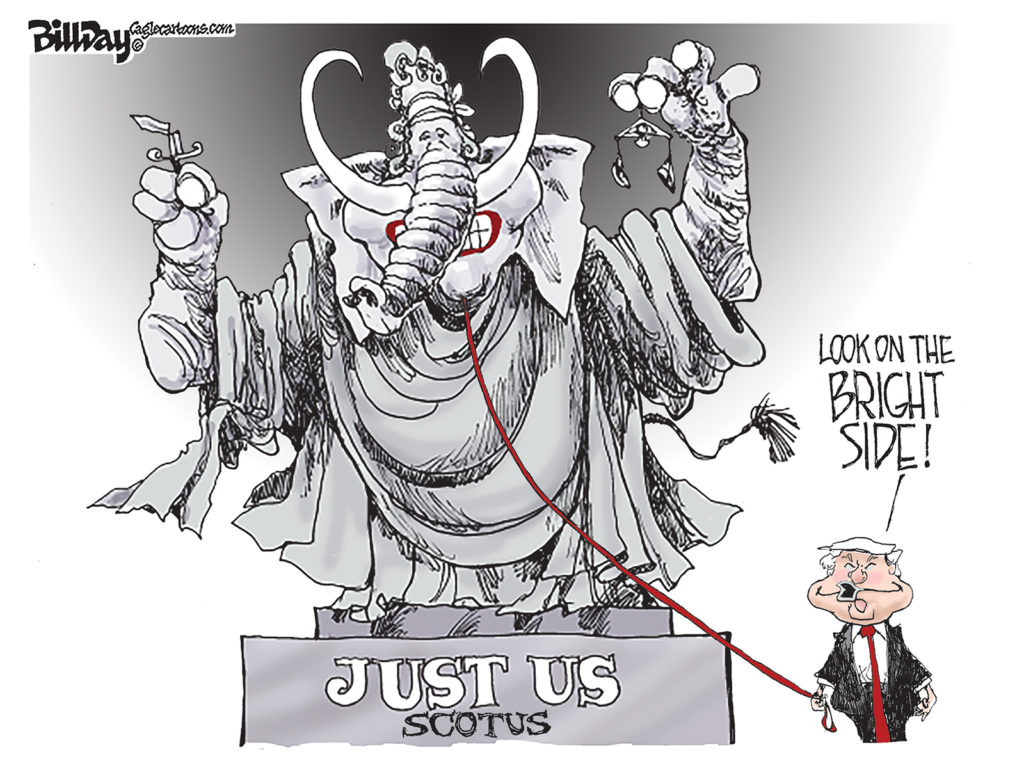
Equality Eagle, A Bill Day Cartoon

by Bill Day. Memphian Bill Day is two-time winner of the RFK Journalism Award in Cartooning. His cartoons are syndicated internationally by Cagle Cartoons. Cartoons Archive →

Photograph by Amie Vanderford

More Images

Memphian Amie Vanderford is a photographer for peace and justice. Her portfolio includes photographs from Peru, Zimbabwe, Nepal, Indian, and her hometown.

  • Subscribe to Posts via Email

    You can get Smart City Memphis posts right in your e-mail box. Just sign up below to begin receiving them.


  • RSS

    • China Transportation Briefing: Filling the Finance Gap

    • TheCityFix Picks, May 4: Spare the Air, Honoring Bloomberg, BRT Experience

    • BRT Experience, Day 1: Simple yet Captivating Marketing

    • BRT Experience, Day 1: Women-Only Access on Metrobus

    • We’re Hiring! Apply to Be TheCityFix Blogger

    • The New Kid on the Block: Metrobus Opens Line 4 in Mexico City

  • RSS

    • Could Less Material Wealth Make us Happier?

    • Megacities: Eight Ideas from #citytalk for Developing Future Cities

    • Microcities: Five of the World’s ‘Smallest’ Cities

    • Megacities: Five of the World’s ‘Biggest’ Cities

    • Human and Social Capital Takes the Bus

    • Events and the City: Bringing Fun to a Built Environment Near You

  • RSS

    • Problem Of the Day: Rio's Hotel Shortage

    • This Week in Bans: Massachusetts City Plagued by Horrible Saxophonist

    • Why Aren't Cities Littered With Dead Pigeons?

    • An Object That Domesticates Ivy

    • Navigating Europe's Most Congested City by Bike

    • Charlie Chaplin Goes to the Beach

  • Search Posts

  • About Smart City Memphis

    This is Smart City Consulting's blog and its purpose is to connect the dots and provide perspective on events, issues, and policies shaping Memphis and its future. Smart City Memphis was named one of the most intriguing blogs in the U.S. by the Pew Partnership for Civic Change, it was voted the best Memphis blog in About.com's Reader's Choice Awards, and The (Memphis) Commercial Appeal wrote: "Smart City Consulting provides some of the most well-thought-out thinking about Memphis' past, present, and future you'll find anywhere." Our blog's editor is Tom Jones, principal at Smart City Consulting and an editorial contributor at Memphis magazine, where he writes the monthly column, City Journal. Submit blog posts, ideas, suggestions, and emails to tjones@smartcityconsulting.com.
  • Archives

    • May 2012 (19)
    • April 2012 (31)
    • March 2012 (37)
    • February 2012 (32)
    • January 2012 (35)
    • December 2011 (29)
    • November 2011 (30)
    • October 2011 (34)
    • September 2011 (33)
    • August 2011 (39)
    • July 2011 (36)
    • June 2011 (41)
    • May 2011 (36)
    • April 2011 (57)
    • March 2011 (39)
    • February 2011 (45)
    • January 2011 (56)
    • December 2010 (44)
    • November 2010 (30)
    • October 2010 (28)
    • September 2010 (24)
    • August 2010 (22)
    • July 2010 (23)
    • June 2010 (34)
    • May 2010 (28)
    • April 2010 (32)
    • March 2010 (35)
    • February 2010 (31)
    • January 2010 (43)
    • December 2009 (49)
    • November 2009 (17)
    • October 2009 (24)
    • September 2009 (23)
    • August 2009 (18)
    • July 2009 (22)
    • June 2009 (28)
    • May 2009 (23)
    • April 2009 (23)
    • March 2009 (26)
    • February 2009 (25)
    • January 2009 (36)
    • December 2008 (15)
    • November 2008 (22)
    • October 2008 (21)
    • September 2008 (25)
    • August 2008 (23)
    • July 2008 (32)
    • June 2008 (27)
    • May 2008 (35)
    • April 2008 (26)
    • March 2008 (25)
    • February 2008 (29)
    • January 2008 (33)
    • December 2007 (20)
    • November 2007 (19)
    • October 2007 (32)
    • September 2007 (25)
    • August 2007 (25)
    • July 2007 (26)
    • June 2007 (16)
    • May 2007 (21)
    • April 2007 (25)
    • March 2007 (18)
    • February 2007 (16)
    • January 2007 (17)
    • December 2006 (16)
    • November 2006 (14)
    • October 2006 (18)
    • September 2006 (21)
    • August 2006 (20)
    • July 2006 (20)
    • June 2006 (17)
    • May 2006 (12)
    • April 2006 (19)
    • March 2006 (20)
    • February 2006 (23)
    • January 2006 (16)
    • December 2005 (23)
    • November 2005 (21)
    • October 2005 (23)
    • September 2005 (19)
    • August 2005 (27)
    • July 2005 (23)
    • June 2005 (16)
    • 0 (2)
  • Categories

  • Contributors

    • Aaron Shafer
    • Andrew Trippel
    • Anthony Siracusa
    • Barry Chase
    • Brad Leon
    • Brian Stephens
    • CEOs for Cities
    • Charles Santo
    • Chris Sanders
    • David Williams
    • Doug Imig
    • Elizabeth Alley
    • Emily Trenholm
    • Eric Mathews
    • Gene Pearson
    • Gene Pearson and Louise Mercuro
    • Greg Thompson
    • Gwyn Fisher
    • Janet Boscarino
    • Jim Strickland
    • Jimmie Covington
    • John Kirkscey
    • John Lawrence
    • Jonathan Flynt
    • Josh Whitehead
    • Julie Ellis
    • Kenya Bradshaw
    • Laura Adams
    • Leah Wells
    • Louise Mercuro, AICP
    • Lurene Cachola Kelley
    • Margot McNeeley
    • Mark James
    • Matt Farr
    • Matt Timberlake
    • Melissa Petersen
    • Natashia Gregoire
    • Ray Brown
    • Rev. Steve Montgomery
    • Robert Bain
    • SCM
    • Scott L. Newstok
    • Smart City Memphis
    • Smart City Radio
    • Steve Bares
    • Steve Lockwood
    • Susan Adler Thorp
    • Tom Jones
    • Tomeka Hart
    • Tommy Pacello
    • Women Unite
    • Zach Hoyt

© 2012 Smart City Memphis. All rights reserved.

  • Register
  • Log in
  • RSS
  • Smart City Radio
  • Smart City Consulting