
Smart City Memphis
 

Sign up or Login

“Dangerous City” Rankings Are A Crime

by Smart City Memphis (RSS) | June 27th, 2012 4:42am CDT

Tweet


We know what the FBI says about its Uniform Crime Report – the crime data shouldn’t be used to compare cities.

We know what MPD says – every city reports crimes differently and we are more honest about our numbers than other cities.

We’ve all heard the explanations and the qualifiers, but it’s still disconcerting to see Memphis, despite five years of dramatic cuts in crime, listed a couple of weeks ago as #5 “most dangerous city.”

Down But Not Out

Since 2006, the Memphis Shelby Crime Commission reports that major violent crime is down by 22.8%.  The downward trend essentially leveled off in 2011 – violent crime did decrease, but it was only by 0.8%, damped down by a 24% spike in murder.

Although murders increased from 96 in 2010 to 119 in 2011, according to Crime Commission, it’s worth remembering that it was common in the mid-2000s for annual murders to be more than 150 a year.

And yet, national news media reported that “in 2011, Memphis defied the national trend of declining crime rates in major U.S. cities. The rate of violent crimes per 1,000 people increased, from 15.4 to 15.8. This was the product of increases in murders, which rose from 89 to 117, and aggravated assault incidents, which rose by 100 cases.”

As is often the case, the crime data in Memphis doesn’t match perfectly with the FBI Uniform Crime Report.

Rankings Are Criminal

The American Society of Criminology calls these rankings “invalid, damaging, and irresponsible…City crime rankings make no one safer, but they can harm the cities they tarnish and divert attention from the individual and community characteristics that elevate crime in all cities.”  The U.S. Conference of Mayors has denounced the rankings as a “premeditated statistical mugging of America‘s cities.”

On its website, the FBI cautions against using crime data to compare city violence because rankings tend to be simplistic and ignore factors that influence crime, as well as the different ways crimes are measured and reported in different cities. “Data users should not rank locales because there are many factors that cause the nature and type of crime to vary from place to place,” the FBI warns.

Despite all this, the FBI report had barely been issued before the comparisons between cities began, and Memphis was lumped with Flint, Detroit, St. Louis, and Oakland in the top five, which if anything else profoundly connects the dot between poverty and crime and why putting more boots on the street is not the only answer to combatting crime.

We still lean locally and nationally toward crime suppression programs and zero tolerance policies with mandatory sentencing and tough on crime laws when prevention and intervention need more emphasis and resources.  It’s encouraging that this conversation is taking place here seriously, because prisoner reentry, early childhood development, and ending the school-to-prison pipeline are crucial to the future of Memphis.

Doing More

Since 1970, the U.S. prison population exploded from about 325,000 people to more than two million today. According to Michelle Alexander, author of The New Jim Crow: Mass Incarceration in the Age of Color Blindness, this is a phenomenon that cannot be explained by crime rates or drug use. According to Human Rights Watch (Punishment and Prejudice: Racial Disparities in the War on Drugs, 2000), although whites are more likely to violate drug laws than people of color, in some states black men have been admitted to prison on drug charges at rates 20 to 50 times greater than those of white men.

Once released, former prisoners are caught in a web of laws and regulations that make it difficult or impossible to secure jobs, education, housing, and public assistance—and often to vote or serve on juries. Ms. Alexander calls this permanent second-class citizenship a new form of segregation, and it’s impossible for us to argue with her.

As for the crime rate, as we have said frequently, the troubling problems of our community are not confined to the city limits of the City of Memphis.  Headlines have said that Memphis is #1 in crime, but it was an MSA and it driven by the fact that the suburbs are #3 in crime rate among their peers, according to the Brookings Institution, and it’s this high ranking that drive up our regional rankings. For example, West Memphis has one of the highest crime rates in the U.S.

That said, the #5 ranking hitting the headlines little over a week ago is about the city of Memphis only, and seems to make the point about the need for Memphis to have strategies that leap us ahead, because when we make incremental progress (whether it is in crime, economic growth, or education), we are ultimately running in place.  We are making strides in but so are other cities, so to change our relative position, we have to do more.

It’s The Same But Different


Criminologists have long decried rankings that call cities “safest” or “most dangerous” but they persist nonetheless, fed by the public’s insatiable love for lists, ratings, and rankings.  In the end, the FBI data is only useful in comparing specific city trends on a year-to-year basis, but as one of our really smart friends pointed out, that’s not always foolproof.  He wrote:  “Every city reports crime differently in UCR. We will see an increase in aggravated assaults this year because Tennessee legislature just changed the definition to include choking, the major form of assault in Domestic Violence cases.“

None of this is intended to diminish the serious impact of crime in some Memphis neighborhoods, where, as Memphis Mayor A C Wharton Jr. pointed out in his State of the City speech in January, children are taught where to hide when they hear gunfire.

The chances of becoming a victim of crime in Memphis is about 1 in 82, but in some neighborhoods, the likelihood is significantly and frighteningly greater.  By way of comparison, the chance of being a victim of crime in Atlanta is 1 in 71 and Nashville is 1 in 85.

If you need another measurement of crime that puts things into perspective, consider that Memphis has about 126 crimes per square mile.   Nashville has 141, Atlanta has 158, Chicago has 666, Newark has 534, Baltimore has 426, and Detroit has 468.

Maybe we’re just grasping for straws, but it suggests to us that when it comes to being dangerous, Memphis’ #5 ranking is smoke demanding much more light.


Categories: Criminal Justice

Comments RSS Feed

Comments are closed.

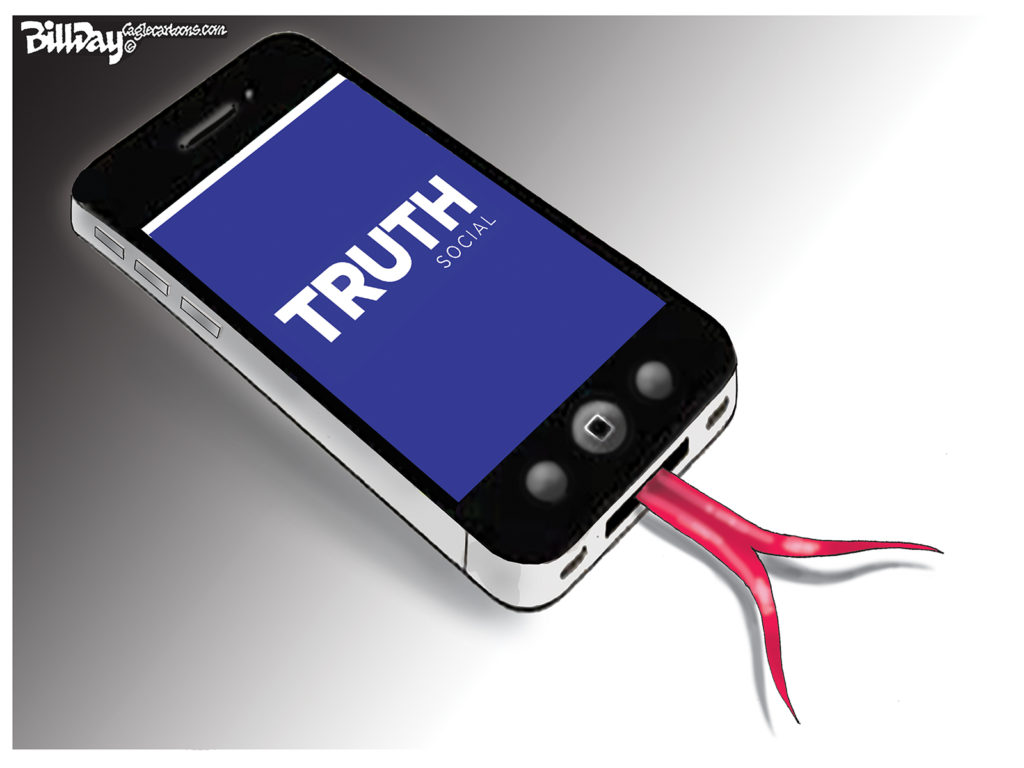
Green Tea, A Bill Day Cartoon

by Bill Day. Memphian Bill Day is two-time winner of the RFK Journalism Award in Cartooning. His cartoons are syndicated internationally by Cagle Cartoons. Cartoons Archive →

Photograph by Amie Vanderford

More Images

This ongoing series of photographs is intended to show the daily lives of these single mothers in order to invoke recognition of their similarities to all mothers, along with understanding and empathy from the viewer of the strengths that these single mothers possess within the challenging situations they face. My hope is that newfound empathy with these mothers’ lives will give people some pause before they condemn single mothers when discussing issues such as welfare and other politically charged hot buttons.

  • Subscribe to Posts via Email

    You can get Smart City Memphis posts right in your e-mail box. Just sign up below to begin receiving them.


  • RSS

    • Friday Fun: A Los Angeles cycling highway?

    • All aboard: Engaging the public on transport projects

    • Weaving people back into the urban fabric

    • How clean is the air we breathe in cities?

    • Friday Fun: Self-driving automobile + Bus + Taxi = Otobuxi

    • Q&A with Hernan Navarro: Lima’s El Metropolitano BRT

  • RSS

    • San Francisco’s Uber-Complicated Taxi Industry

    • New Ventilation System Keeps Buildings Fresh But Warm

    • Eight Guidelines to Keep Creativity at the Heart of Cities

    • Infographic: Cities Embracing the Green Revolution

    • The Economic and Educational Value of Retrofitting Schools

    • Greening Cities with Better Bike Lanes

  • RSS

    • Why You May Not Be Seeing Many 17-Year Brood II Cicadas

    • Replica of the Day: Building the Simpsons' Springfield in Florida

    • Toronto Mayor Rob Ford: 'I Do Not Use Crack Cocaine'

    • Flags for the Fallen

    • This Is What the Scar From a Tornado Looks Like Through a Suburban Town

    • How Waze Became the Hottest Map App Around

  • Search Posts

  • About Smart City Memphis

    This is Smart City Consulting's blog and its purpose is to connect the dots and provide perspective on events, issues, and policies shaping Memphis and its future. Smart City Memphis was named one of the most intriguing blogs in the U.S. by the Pew Partnership for Civic Change, it was voted the best Memphis blog in About.com's Reader's Choice Awards, and The (Memphis) Commercial Appeal wrote: "Smart City Memphis provides some of the most well-thought-out thinking about Memphis' past, present, and future you'll find anywhere." Our blog's editor is Tom Jones, principal at Smart City Consulting and an editorial contributor at Memphis magazine, where he writes the monthly column, City Journal. Submit blog posts, ideas, suggestions, and emails to tjones@smartcityconsulting.com.
  • Archives

    • May 2013 (24)
    • April 2013 (34)
    • March 2013 (27)
    • February 2013 (31)
    • January 2013 (30)
    • December 2012 (29)
    • November 2012 (31)
    • October 2012 (33)
    • September 2012 (29)
    • August 2012 (33)
    • July 2012 (26)
    • June 2012 (33)
    • May 2012 (33)
    • April 2012 (31)
    • March 2012 (37)
    • February 2012 (32)
    • January 2012 (35)
    • December 2011 (29)
    • November 2011 (30)
    • October 2011 (34)
    • September 2011 (33)
    • August 2011 (39)
    • July 2011 (36)
    • June 2011 (41)
    • May 2011 (36)
    • April 2011 (57)
    • March 2011 (39)
    • February 2011 (45)
    • January 2011 (56)
    • December 2010 (44)
    • November 2010 (30)
    • October 2010 (28)
    • September 2010 (24)
    • August 2010 (22)
    • July 2010 (23)
    • June 2010 (34)
    • May 2010 (28)
    • April 2010 (32)
    • March 2010 (35)
    • February 2010 (31)
    • January 2010 (43)
    • December 2009 (49)
    • November 2009 (17)
    • October 2009 (24)
    • September 2009 (23)
    • August 2009 (18)
    • July 2009 (22)
    • June 2009 (28)
    • May 2009 (23)
    • April 2009 (23)
    • March 2009 (26)
    • February 2009 (25)
    • January 2009 (36)
    • December 2008 (15)
    • November 2008 (22)
    • October 2008 (21)
    • September 2008 (25)
    • August 2008 (23)
    • July 2008 (32)
    • June 2008 (27)
    • May 2008 (35)
    • April 2008 (26)
    • March 2008 (25)
    • February 2008 (29)
    • January 2008 (33)
    • December 2007 (20)
    • November 2007 (19)
    • October 2007 (32)
    • September 2007 (25)
    • August 2007 (25)
    • July 2007 (26)
    • June 2007 (16)
    • May 2007 (21)
    • April 2007 (25)
    • March 2007 (18)
    • February 2007 (16)
    • January 2007 (17)
    • December 2006 (16)
    • November 2006 (14)
    • October 2006 (18)
    • September 2006 (21)
    • August 2006 (20)
    • July 2006 (20)
    • June 2006 (17)
    • May 2006 (12)
    • April 2006 (19)
    • March 2006 (20)
    • February 2006 (23)
    • January 2006 (16)
    • December 2005 (23)
    • November 2005 (21)
    • October 2005 (23)
    • September 2005 (19)
    • August 2005 (27)
    • July 2005 (23)
    • June 2005 (16)
    • 0 (2)
  • Categories

  • Contributors

    • Aaron Shafer
    • Andrew Trippel
    • Anthony Siracusa
    • Barry Chase
    • Brad Leon
    • Brian Stephens
    • CEOs for Cities
    • Charles Santo
    • Chris Sanders
    • Crosstown Collaborative
    • David Williams
    • Doug Imig
    • Elizabeth Alley
    • Elizabeth Lemmonds
    • Emily Trenholm
    • Eric Mathews
    • Gene Pearson
    • Gene Pearson and Louise Mercuro
    • George Lord
    • Greg Thompson
    • Gwyn Fisher
    • Janet Boscarino
    • Jim Strickland
    • Jimmie Covington
    • John Kirkscey
    • John Lawrence
    • Jonathan Flynt
    • Josh Whitehead
    • Julie Ellis
    • Kenya Bradshaw
    • Laura Adams
    • Leah Wells
    • Louise Mercuro, AICP
    • Lurene Cachola Kelley
    • Margot McNeeley
    • Mark James
    • Matt Farr
    • Matt Timberlake
    • Melissa Petersen
    • Natashia Gregoire
    • Ray Brown
    • Rev. Steve Montgomery
    • Robert Bain
    • SCM
    • Scott L. Newstok
    • Smart City Memphis
    • Smart City Radio
    • Steve Bares
    • Steve Lockwood
    • Susan Adler Thorp
    • Tom Jones
    • Tomeka Hart
    • Tommy Pacello
    • Women Unite
    • Zach Hoyt

© 20111-2013 Smart City Memphis. All rights reserved.

  • Register
  • Log in
  • RSS
  • Smart City Radio
  • Smart City Consulting