Smart City Memphis
 

Sign up or Login

Some Memphis Myths Hinder Progress

by Smart City Memphis (RSS) | December 23rd, 2011 9:02am CDT

Tweet

Memphis is a mythic city.

There are of course the mythic musicians and entrepreneurs who created our greatest exports to the world – from B.B. to Elvis to Chilton and from Kemmons Wilson to Pitt Hyde to Fred Smith.

And yet, there are mythologies of a different kind. They limit Memphis’ options for progress, trap us in the same old conversations, and create conventional wisdom treated as facts.

That’s the most intriguing promise of a new term for the Memphis mayor: the chance to think anew about old problems and to begin by blowing up old myths.  It’s a chance to shift from the triage of the past two years to moving ahead with action and intentionality.

Mythologies

There’s the myth that we talk too much about race. Actually, we don’t; it’s just that we talk about the wrong things. The verbal blasts out of the Herenton City Hall were a lot about race, but never about discussions concerning the consequences of Memphis’ economic segregation, the worst among the top 50 metros, or about breaking the inextricable link between race and poverty.

There’s the myth that new suburban highways create new economic growth. More to the point, they fueled the greatest relocation in history of people to outside Memphis, cannibalizing existing businesses, driving up county government’s debt to bankruptcy level, and forcing Memphians to pay the lion’s share of infrastructure they didn’t need.

There’s the myth our African-American majority is an economic drag. Because distinctiveness is the basis for competitive advantage, Memphis needs to be a hub of black talent. If that isn’t at the top of our economic development agenda, we’re not really in the economic development business.

There’s the myth that the 103,000 students in Memphis City Schools are problems. Instead, our anomalous bulge in students is a strategic opportunity. As the U.S. workforce contracts and cities fight for fewer workers, we already have ours. But we’ve got to train them for jobs of the new economy.

Acting On Myths Instead Of Facts

There’s the myth that all Memphis neighborhoods are in chaos and in despair. And yet, for every neighborhood in crisis like New Chicago, there is a one like Prospect Park – proud, well-kept, and attractive. While we deal with the neighborhoods swamped by problems, we need also to shore up the islands of great neighborhoods.

There’s the myth that success in economic development is measured by the number of tax freezes we hand out and now much construction is done each year. Rather, they reflect the need to create a more competitive city, because prosperous cities aren’t selling themselves on cheapness, but quality, and to measure success in its impact on people’s salaries, not buildings’ construction.

There’s the myth that downtown is booming. Despite the frequent use of the word, renaissance, to describe downtown, we still tend to define success by comparing Memphis against itself rather than against other cities. Our downtown still misses the vibrancy and activity that are so evident in other cities’ downtowns that have been reborn in the past 20 years. That’s why ideas like Memphis Art Park and the skate park on Mud Island are so important.

There’s the myth that annexation is always good. Memphis is now larger in area than New York City and eventually, it will be bigger than Los Angeles. Already, annexations have driven up the costs of public services and contributed to a deterioration of services in the pre-annexation area. The city government analysis needs to measure the impact of more land on the existing city and not assume that the neighborhoods and tax revenues will not decline.

Getting It Right

There’s the myth that consolidating city and county governments is bad for the county’s smaller cities. A large government lies in the future for them – either a new one or a Memphis government that expands by almost 50 percent and surrounds them without them having a voice in it. It all makes the town mayor’s mantra all the more ironic: “We hate Memphis City Hall and don’t trust Memphis politicians. Memphis is full of problems. So we want to leave everything just like it is.”

There’s the myth that Memphis and Shelby County Governments are wasteful while the smaller towns are efficient and economical. Actually, both city and county governments spend less on services per citizen than Collierville, Bartlett, and Germantown – from 32 to 48 percent.

There’s the myth that all we need to do is to tell our story better. More importantly, we need to create a city that gives us a different story to tell.

That’s why the most dangerous myth of all is the hoariest of all: there’s nothing we can do to change things. Meanwhile, in the 20 years that we’ve wrung our hands and complained, China has turned its whole economy around.

That’s why it’s time for city officials – and for the rest of us – to take a “no excuses” approach to our own city’s future. Memphis is a mythic place, but to become great, it means that we have to some of the most stubborn myths of all.

A version of this post was previously published as Memphis magazine’s monthly City Journal column.


Tags: Uncategorized

Categories: Uncategorized

Comments RSS Feed

Comments are closed.

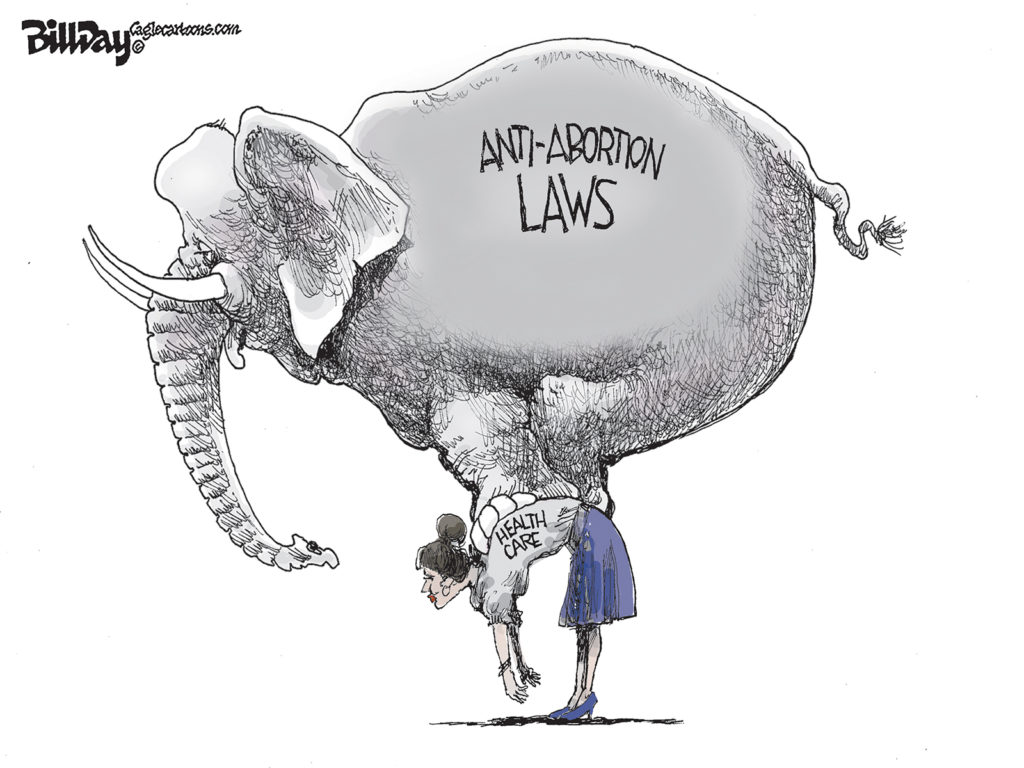
Aquaphant, A Bill Day Cartoon

by Bill Day. Memphian Bill Day is two-time winner of the RFK Journalism Award in Cartooning. His cartoons are syndicated internationally by Cagle Cartoons. Cartoons Archive →

Photograph by Amie Vanderford

More Images

Memphian Amie Vanderford is a photographer for peace and justice. Her portfolio includes photographs from Peru, Zimbabwe, Nepal, Indian, and her hometown.

  • Subscribe to Posts via Email

    You can get Smart City Memphis posts right in your e-mail box. Just sign up below to begin receiving them.


  • RSS

    • Enhancing Fuel Efficiency in Vishakapatnam

    • Fazilka Ecocabs Offers New Paradigm for Non-Motorized Transport in Indian Cities

    • China Transportation Briefing: Filling the Finance Gap

    • TheCityFix Picks, May 4: Spare the Air, Honoring Bloomberg, BRT Experience

    • BRT Experience, Day 1: Simple yet Captivating Marketing

    • BRT Experience, Day 1: Women-Only Access on Metrobus

  • RSS

    • Megacities: Getting Creative with Urban Megadata

    • Does the Hilliness of San Francisco Affect it’s Walkability?

    • Microcities: The Rise of the Mini Home and the Walkable Neighbourhood

    • Crucible of Innovation, Memeplex of Modernity: Why Cities are Where ‘Ideas Have Sex’

    • Could Less Material Wealth Make us Happier?

    • Megacities: Eight Ideas from #citytalk for Developing Future Cities

  • RSS

    • Video of the Day: Whole Zoo of Glowing Animals Gets Loose in Cologne

    • Portfolio of the Week: Detroit's M1/DTW

    • Recycling Old Furniture by Coating It With Black Goop

    • Students Punished for Riding Bikes to School in Michigan

    • Election Day in Cairo

    • Out of Old Typeface, a City Is Born

  • Search Posts

  • About Smart City Memphis

    This is Smart City Consulting's blog and its purpose is to connect the dots and provide perspective on events, issues, and policies shaping Memphis and its future. Smart City Memphis was named one of the most intriguing blogs in the U.S. by the Pew Partnership for Civic Change, it was voted the best Memphis blog in About.com's Reader's Choice Awards, and The (Memphis) Commercial Appeal wrote: "Smart City Consulting provides some of the most well-thought-out thinking about Memphis' past, present, and future you'll find anywhere." Our blog's editor is Tom Jones, principal at Smart City Consulting and an editorial contributor at Memphis magazine, where he writes the monthly column, City Journal. Submit blog posts, ideas, suggestions, and emails to tjones@smartcityconsulting.com.
  • Archives

    • May 2012 (25)
    • April 2012 (31)
    • March 2012 (37)
    • February 2012 (32)
    • January 2012 (35)
    • December 2011 (29)
    • November 2011 (30)
    • October 2011 (34)
    • September 2011 (33)
    • August 2011 (39)
    • July 2011 (36)
    • June 2011 (41)
    • May 2011 (36)
    • April 2011 (57)
    • March 2011 (39)
    • February 2011 (45)
    • January 2011 (56)
    • December 2010 (44)
    • November 2010 (30)
    • October 2010 (28)
    • September 2010 (24)
    • August 2010 (22)
    • July 2010 (23)
    • June 2010 (34)
    • May 2010 (28)
    • April 2010 (32)
    • March 2010 (35)
    • February 2010 (31)
    • January 2010 (43)
    • December 2009 (49)
    • November 2009 (17)
    • October 2009 (24)
    • September 2009 (23)
    • August 2009 (18)
    • July 2009 (22)
    • June 2009 (28)
    • May 2009 (23)
    • April 2009 (23)
    • March 2009 (26)
    • February 2009 (25)
    • January 2009 (36)
    • December 2008 (15)
    • November 2008 (22)
    • October 2008 (21)
    • September 2008 (25)
    • August 2008 (23)
    • July 2008 (32)
    • June 2008 (27)
    • May 2008 (35)
    • April 2008 (26)
    • March 2008 (25)
    • February 2008 (29)
    • January 2008 (33)
    • December 2007 (20)
    • November 2007 (19)
    • October 2007 (32)
    • September 2007 (25)
    • August 2007 (25)
    • July 2007 (26)
    • June 2007 (16)
    • May 2007 (21)
    • April 2007 (25)
    • March 2007 (18)
    • February 2007 (16)
    • January 2007 (17)
    • December 2006 (16)
    • November 2006 (14)
    • October 2006 (18)
    • September 2006 (21)
    • August 2006 (20)
    • July 2006 (20)
    • June 2006 (17)
    • May 2006 (12)
    • April 2006 (19)
    • March 2006 (20)
    • February 2006 (23)
    • January 2006 (16)
    • December 2005 (23)
    • November 2005 (21)
    • October 2005 (23)
    • September 2005 (19)
    • August 2005 (27)
    • July 2005 (23)
    • June 2005 (16)
    • 0 (2)
  • Categories

  • Contributors

    • Aaron Shafer
    • Andrew Trippel
    • Anthony Siracusa
    • Barry Chase
    • Brad Leon
    • Brian Stephens
    • CEOs for Cities
    • Charles Santo
    • Chris Sanders
    • David Williams
    • Doug Imig
    • Elizabeth Alley
    • Emily Trenholm
    • Eric Mathews
    • Gene Pearson
    • Gene Pearson and Louise Mercuro
    • Greg Thompson
    • Gwyn Fisher
    • Janet Boscarino
    • Jim Strickland
    • Jimmie Covington
    • John Kirkscey
    • John Lawrence
    • Jonathan Flynt
    • Josh Whitehead
    • Julie Ellis
    • Kenya Bradshaw
    • Laura Adams
    • Leah Wells
    • Louise Mercuro, AICP
    • Lurene Cachola Kelley
    • Margot McNeeley
    • Mark James
    • Matt Farr
    • Matt Timberlake
    • Melissa Petersen
    • Natashia Gregoire
    • Ray Brown
    • Rev. Steve Montgomery
    • Robert Bain
    • SCM
    • Scott L. Newstok
    • Smart City Memphis
    • Smart City Radio
    • Steve Bares
    • Steve Lockwood
    • Susan Adler Thorp
    • Tom Jones
    • Tomeka Hart
    • Tommy Pacello
    • Women Unite
    • Zach Hoyt

© 2012 Smart City Memphis. All rights reserved.

  • Register
  • Log in
  • RSS
  • Smart City Radio
  • Smart City Consulting