Smart City Memphis
 

Sign up or Login

Universities Grade Themselves By Surrounding Neighborhoods

by Smart City Memphis (RSS) | August 10th, 2008 11:07pm CDT

Tweet

It’s encouraging that the University of Memphis has clearly adopted a new attitude toward the future of its adjacent neighborhoods, and hopefully, there will be a time when it shows up on the list of universities who are doing this best.

The “report card” to which we are referring resulted from the 20-year work of the University of Cincinnati to revamp its campus and redefine university community planning and development. The ramifications of UC’s work have been felt across the U.S., and surely, that university’s work is a signpost for our university.

To measure the results of the work of the Uptown Consortium in Cincinnati – which includes UC, city government, the Children’s Hospital Medical Complex, the zoo, the botanical gardens, the Health Alliance and TriHealth – the university identified a couple dozen case studies of leading institutions and graded them on 16 criteria, including community engagement, avoiding the use of eminent domain, economic impact, sustainability, historic preservation, increased housing, leadership, partnership, safety and urban design.

Grading The Graders

For example, University of Cincinnati got A+ for financial commitment, housing, partnerships, leadership and urban design; B in avoiding eminent domain and community development; C in community engagement, safety and impact on wider metro area; D in economic development and sustainability; and F in historic preservation and social capital.

Twenty-one universities were included in the report card because of their work and they include University of Akron, Boston College, Duke University, George Tech University, Johns Hopkins University, LSU, Ohio State University, San Diego State University, UCLA, University of Chicago-Illinois, University of Louisville, University of Pennsylvania, University of Pittsburgh, USC and University of Wisconsin.

No overall grade is given to each school, but judging from the scores in each category, the universities doing the best are University of Cincinnati, Georgia Tech and University of Pennsylvania.

The Obvious

Obviously, all universities should have a vested interest and be involved in their surrounding neighborhoods, but for a university like ours that bills itself as an urban research university, that should be especially true. In fact, one of the most important marching orders given to new director of graduate urban and regional planning Ken Reardon is to lead these efforts.

Fortunately, there’s a growing army of allies willing to get involved as the university repositions its front door from Central to Highland and works to be the catalyst for redevelopment of Highland between Southern and Central. One of these allies is ULI Memphis who earlier brought in the head of UC’s Uptown Consortium to talk about ways major civic anchors can improve quality of life and improve the economy. Certainly, as a major land owner in the area (across the U.S., universities own more than $100 billion in real estate), University of Memphis should be leading this effort.

For decades, our university has wrestled with how it can better connect its considerable intellectual resources and influence more deeply into the community to lead the hunt for solutions to some of Memphis’ most troubling problems. Often, like many similar urban universities, UM seemed like a walled city, and we can only hope that these first steps into community development will expand into even more ambitious projects.

Paying Dividends

The University of Pennsylvania has invested $90 million in its 40th Street commercial corridor, replacing a parking lot with a 300,000 square feet hotel/retail development. In addition, the university has produced more than 150,000 square feet of new retail space, more than 25 new stores opened in four years, a retail vacancy rate of less than 5%, and new streetscapes and landscapes.

If there’s any question that urban universities like ours are important, consider these facts:

• Of the more than 3,600 colleges and universities in the U.S., just over 1,900 of them are in the urban core

• 83% of students are in the urban core and fringe areas

• 87% of economic impact of universities are in the core and fringe areas

It’s All About Talent

Part of these universities’ roles, according to University of Akron President Luis M. Proenza, is to create environments near campus that help attract and retain highly skilled talent.

He could be speaking for Memphis when he said: “As you know, talent development in our inner cities is one of the most pressing national problems, and workforce development is the most often cited priority for business and industry. Our vision is to create a vibrant mixed use environment that blurs the boundaries between the university and the community, is pedestrian friendly and in which everything that happens is somehow about learning and health and wellness.

“As urban universities, we must acknowledge that the competitive and comparative advantages of our campuses are inextricably linked to the vitality of their surrounding communities. We must move beyond the traditional land-grant focus toward the necessary application of all disciplinary knowledge for the public good.”

To this end, Mr. Proenza suggests that universities should not be measured by “how many students we exclude but rather by how much value we add in enabling the success of our students; not by barriers between it and its communities but by the “collaborative impact that we create for each other and for our common future; and not by the “isolation of disciplines, but by their integration as applied in solving the problems of today.”


Tags: Uncategorized

Categories: Uncategorized

Comments RSS Feed

Comments are closed.

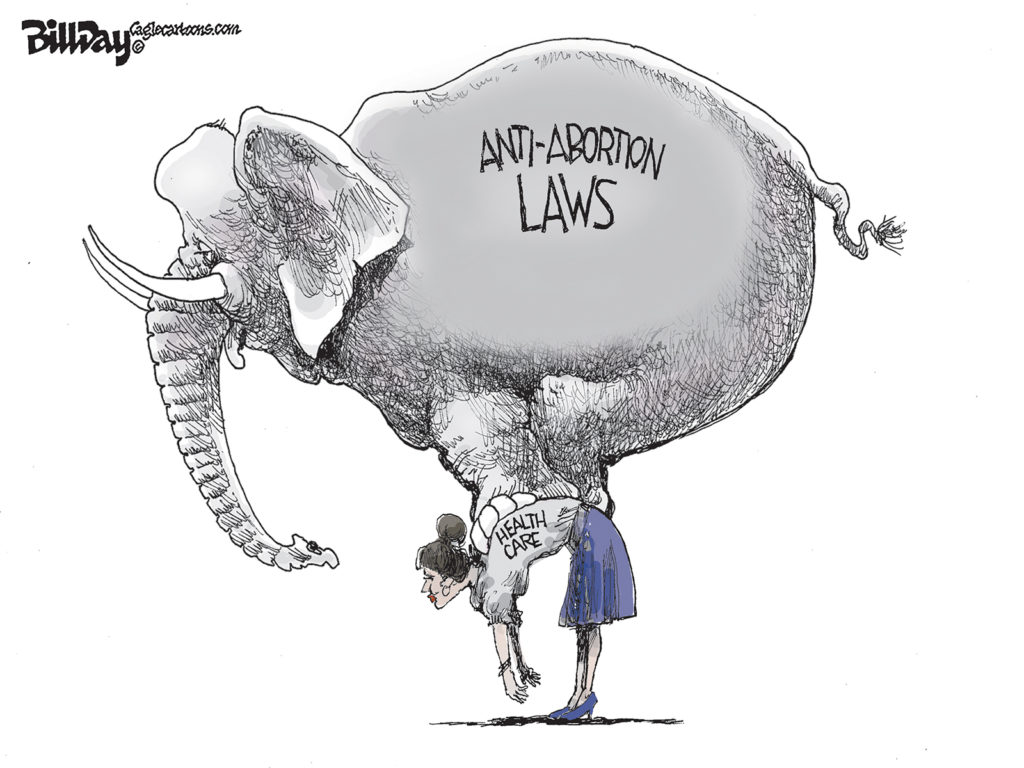
Aquaphant, A Bill Day Cartoon

by Bill Day. Memphian Bill Day is two-time winner of the RFK Journalism Award in Cartooning. His cartoons are syndicated internationally by Cagle Cartoons. Cartoons Archive →

Photograph by Amie Vanderford

More Images

Memphian Amie Vanderford is a photographer for peace and justice. Her portfolio includes photographs from Peru, Zimbabwe, Nepal, Indian, and her hometown.

  • Subscribe to Posts via Email

    You can get Smart City Memphis posts right in your e-mail box. Just sign up below to begin receiving them.


  • RSS

    • Enhancing Fuel Efficiency in Vishakapatnam

    • Fazilka Ecocabs Offers New Paradigm for Non-Motorized Transport in Indian Cities

    • China Transportation Briefing: Filling the Finance Gap

    • TheCityFix Picks, May 4: Spare the Air, Honoring Bloomberg, BRT Experience

    • BRT Experience, Day 1: Simple yet Captivating Marketing

    • BRT Experience, Day 1: Women-Only Access on Metrobus

  • RSS

    • Does the Hilliness of San Francisco Affect it’s Walkability?

    • Microcities: The Rise of the Mini Home and the Walkable Neighbourhood

    • Crucible of Innovation, Memeplex of Modernity: Why Cities are Where ‘Ideas Have Sex’

    • Could Less Material Wealth Make us Happier?

    • Megacities: Eight Ideas from #citytalk for Developing Future Cities

    • Microcities: Five of the World’s ‘Smallest’ Cities

  • RSS

    • Video of the Day: Birds-Eye London

    • How to Avoid the Worst Traffic Jams in the Most Congested U.S. Cities

    • Useless and Defunct City Objects Should Be Called... 'Thomassons'

    • Scenes From the World's Tallest Tower

    • Visualizing a Full Day of Airplane Paths in the U.S.A.

    • Would You Use This Weird Bike Loop?

  • Search Posts

  • About Smart City Memphis

    This is Smart City Consulting's blog and its purpose is to connect the dots and provide perspective on events, issues, and policies shaping Memphis and its future. Smart City Memphis was named one of the most intriguing blogs in the U.S. by the Pew Partnership for Civic Change, it was voted the best Memphis blog in About.com's Reader's Choice Awards, and The (Memphis) Commercial Appeal wrote: "Smart City Consulting provides some of the most well-thought-out thinking about Memphis' past, present, and future you'll find anywhere." Our blog's editor is Tom Jones, principal at Smart City Consulting and an editorial contributor at Memphis magazine, where he writes the monthly column, City Journal. Submit blog posts, ideas, suggestions, and emails to tjones@smartcityconsulting.com.
  • Archives

    • May 2012 (24)
    • April 2012 (31)
    • March 2012 (37)
    • February 2012 (32)
    • January 2012 (35)
    • December 2011 (29)
    • November 2011 (30)
    • October 2011 (34)
    • September 2011 (33)
    • August 2011 (39)
    • July 2011 (36)
    • June 2011 (41)
    • May 2011 (36)
    • April 2011 (57)
    • March 2011 (39)
    • February 2011 (45)
    • January 2011 (56)
    • December 2010 (44)
    • November 2010 (30)
    • October 2010 (28)
    • September 2010 (24)
    • August 2010 (22)
    • July 2010 (23)
    • June 2010 (34)
    • May 2010 (28)
    • April 2010 (32)
    • March 2010 (35)
    • February 2010 (31)
    • January 2010 (43)
    • December 2009 (49)
    • November 2009 (17)
    • October 2009 (24)
    • September 2009 (23)
    • August 2009 (18)
    • July 2009 (22)
    • June 2009 (28)
    • May 2009 (23)
    • April 2009 (23)
    • March 2009 (26)
    • February 2009 (25)
    • January 2009 (36)
    • December 2008 (15)
    • November 2008 (22)
    • October 2008 (21)
    • September 2008 (25)
    • August 2008 (23)
    • July 2008 (32)
    • June 2008 (27)
    • May 2008 (35)
    • April 2008 (26)
    • March 2008 (25)
    • February 2008 (29)
    • January 2008 (33)
    • December 2007 (20)
    • November 2007 (19)
    • October 2007 (32)
    • September 2007 (25)
    • August 2007 (25)
    • July 2007 (26)
    • June 2007 (16)
    • May 2007 (21)
    • April 2007 (25)
    • March 2007 (18)
    • February 2007 (16)
    • January 2007 (17)
    • December 2006 (16)
    • November 2006 (14)
    • October 2006 (18)
    • September 2006 (21)
    • August 2006 (20)
    • July 2006 (20)
    • June 2006 (17)
    • May 2006 (12)
    • April 2006 (19)
    • March 2006 (20)
    • February 2006 (23)
    • January 2006 (16)
    • December 2005 (23)
    • November 2005 (21)
    • October 2005 (23)
    • September 2005 (19)
    • August 2005 (27)
    • July 2005 (23)
    • June 2005 (16)
    • 0 (2)
  • Categories

  • Contributors

    • Aaron Shafer
    • Andrew Trippel
    • Anthony Siracusa
    • Barry Chase
    • Brad Leon
    • Brian Stephens
    • CEOs for Cities
    • Charles Santo
    • Chris Sanders
    • David Williams
    • Doug Imig
    • Elizabeth Alley
    • Emily Trenholm
    • Eric Mathews
    • Gene Pearson
    • Gene Pearson and Louise Mercuro
    • Greg Thompson
    • Gwyn Fisher
    • Janet Boscarino
    • Jim Strickland
    • Jimmie Covington
    • John Kirkscey
    • John Lawrence
    • Jonathan Flynt
    • Josh Whitehead
    • Julie Ellis
    • Kenya Bradshaw
    • Laura Adams
    • Leah Wells
    • Louise Mercuro, AICP
    • Lurene Cachola Kelley
    • Margot McNeeley
    • Mark James
    • Matt Farr
    • Matt Timberlake
    • Melissa Petersen
    • Natashia Gregoire
    • Ray Brown
    • Rev. Steve Montgomery
    • Robert Bain
    • SCM
    • Scott L. Newstok
    • Smart City Memphis
    • Smart City Radio
    • Steve Bares
    • Steve Lockwood
    • Susan Adler Thorp
    • Tom Jones
    • Tomeka Hart
    • Tommy Pacello
    • Women Unite
    • Zach Hoyt

© 2012 Smart City Memphis. All rights reserved.

  • Register
  • Log in
  • RSS
  • Smart City Radio
  • Smart City Consulting