Smart City Memphis
 

Sign up or Login

Future Economic Growth Plans Build On Lessons From The Past

by Smart City Memphis (RSS) | April 21st, 2008 9:50pm CDT

Tweet

Continued from yesterday.

In the past, economic development programs like Memphis 2005 have received widespread support from the private and public sectors, but in the end, their residual impact was limited.

The reasons included alienation of many economic development organizations that accepted responsibility for goals but received no money to achieve them, lack of the community-based support that was needed for the program to become implanted in the Memphis DNA and a tendency to see economic growth as an extension of the present.

There are cautionary tales from Memphis 2005 as MemphisED gets ramped up. Most of all, there’s the need to be realistic and to emphasize results rather than marketing. Memphis often suffers from civic amnesia when it comes to the history of past economic development plans, and this time, we need to be clear-headed about potential pitfalls.

Sticking With The Facts

We hope that some of the veterans from these past wars will talk to new members of the MemphisED team as they come aboard. In the Memphis Flyer, the new V-P of economic development talked about the importance of existing business by spotlighting distribution yet again, and he said MemphisED is different from previous plans because “it’s actually being implemented.”

We hope someone will pull the Memphis 2005 file out of the Chamber’s filing cabinets. It too had specific objectives. It too was implemented. It too had measurements and regular reports to the community. It too had broad city government, county government and business support. It too had a highly-publicized launch and standing room only meetings to report on its progress.

MemphisED is an important opportunity for Memphis, and every one of us should hope that it succeeds. But it needs to be grounded in reality and avoid the spin that can undermine it before it even begins.

Lessons From Youngstown

We were more interested in the fact that new Chamber V-P comes to Memphis from Youngstown, Ohio, where he ran that city’s Chamber of Commerce. The lessons that he brings from Youngstown could be especially valuable to our economic growth plans in light of MIT’s Sean Safford’s instructive report, “Why The Garden Club Couldn’t Save Youngstown: Civil Infrastructure and Mobilization in Economic Crises.”

In his research, Mr. Safford compared two historically and economically similar cities in the Rust Belt – Youngstown, Ohio, and Allentown, Pennsylvania – and reached conclusions that he shared on Smart City about why Allentown succeeded and Youngstown failed.

“Youngstown has suffered from an inability to develop a coherent approach to attracting inward investment, a lack of entrepreneurship and the inability of major local employers to transform in ways that benefit the community,” he wrote, citing causes that deal with social network density, social capital, elitism and duplication.

Learning From Others

The reason that social organizations couldn’t save Youngstown, in Mr. Safford’s opinion, was that the civic organizations “rather than being forums of interaction, then, these were simply places were social status was affirmed. In the end, this may have done more harm than good by strengthening the ability of a small group of actors to assert narrow interests over those of the community more broadly. Moreover, these ties ultimately proved extremely brittle leaving the community without strong leadership when it was absolutely necessary to have it.”

The lessons of Youngstown are important for Memphis. Despite our Southern status, our city has a gritty city edge to it, complete with gritty kinds of problems more in common with industrial cities like Youngstown. That’s why the Youngstown connection is so intriguing to us, and what we can learn from it.

As for lessons from our own past, they are especially useful right now as well.

Lessons From 2005

As MemphisED gets under way in earnest, what are the lessons of Memphis 2005 that should remain top-of-mind:

• The ultimate outcome of the plan is new thinking, not just new money for economic development budgets and new marketing.

• Success requires sustained leadership and attention that transcends the initial push.

• It’s about leadership – engaged, committed and inventive – who are able to think of the future as more than just an extension of the present.

• It’s about collaboration between key Memphis organizations, not just top-down direction without meaningful input along the way.

• It’s about spreading the wealth; if the help of organizations are needed, they need the money to make it happen.

• It’s about increasing the capacity of existing organizations rather than creating a bevy of new task forces, committees and groups.

• It’s about average Memphians hearing a narrative that they can imagine themselves being a part of.

• It’s about one over-arching vision that encompasses all strategies into a cohesive, easy-to-understand, aspirational story.

• It’s about focusing on key levers of the greatest change – such as increasing the number of college graduates in our workforce.

• It’s about measuring success by our ability to leap frog ahead of the competition, not just by improving our economic performance.

• It’s about calling a spade a spade by ignoring the spin and calling the Memphis economy what it is – a crisis.

Boiling Water

Two years ago, we wrote: “Sometimes in Memphis, it’s as if we’re the city equivalent of the frog sitting in the pot on the stove as the water gets warmer and warmer until it’s boiled to death.”

As the dimensions of our economic problems deepen and the challenges get more serious, many urban commentators have already given us up for dead.

MemphisED is at least built on the premise that the water is indeed boiling. That is indeed progress. Now, we need to take the kind of actions that are bold enough to not only turn around our economy and get us out of the bottom rungs of economic performance but spring board us ahead of our competitive rivals.


Tags: Uncategorized

Categories: Uncategorized

Comments RSS Feed

Comments are closed.

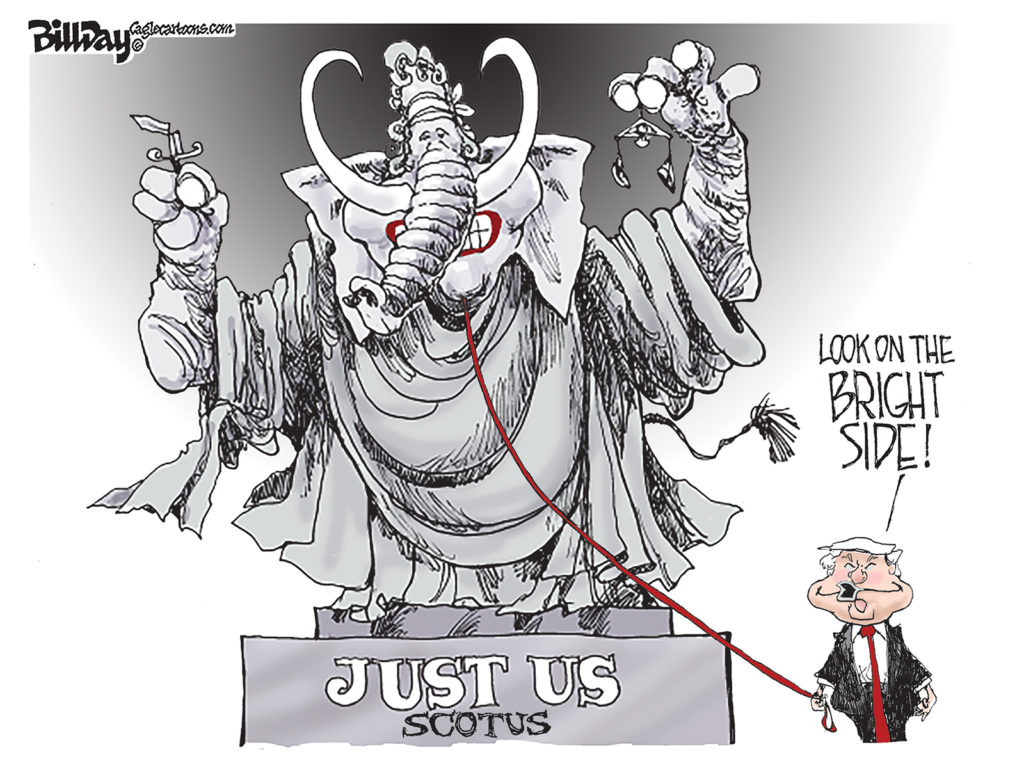
Aquaphant, A Bill Day Cartoon

by Bill Day. Memphian Bill Day is two-time winner of the RFK Journalism Award in Cartooning. His cartoons are syndicated internationally by Cagle Cartoons. Cartoons Archive →

Photograph by Amie Vanderford

More Images

Memphian Amie Vanderford is a photographer for peace and justice. Her portfolio includes photographs from Peru, Zimbabwe, Nepal, Indian, and her hometown.

  • Subscribe to Posts via Email

    You can get Smart City Memphis posts right in your e-mail box. Just sign up below to begin receiving them.


  • RSS

    • Enhancing Fuel Efficiency in Vishakapatnam

    • Fazilka Ecocabs Offers New Paradigm for Non-Motorized Transport in Indian Cities

    • China Transportation Briefing: Filling the Finance Gap

    • TheCityFix Picks, May 4: Spare the Air, Honoring Bloomberg, BRT Experience

    • BRT Experience, Day 1: Simple yet Captivating Marketing

    • BRT Experience, Day 1: Women-Only Access on Metrobus

  • RSS

    • Does the Hilliness of San Francisco Affect it’s Walkability?

    • Microcities: The Rise of the Mini Home and the Walkable Neighbourhood

    • Crucible of Innovation, Memeplex of Modernity: Why Cities are Where ‘Ideas Have Sex’

    • Could Less Material Wealth Make us Happier?

    • Megacities: Eight Ideas from #citytalk for Developing Future Cities

    • Microcities: Five of the World’s ‘Smallest’ Cities

  • RSS

    • Useless and Defunct City Objects Should Be Called... 'Thomassons'

    • Scenes From the World's Tallest Tower

    • Visualizing a Full Day of Airplane Paths in the U.S.A.

    • Would You Use This Weird Bike Loop?

    • Protesters to Chicago: Thank You Very Much

    • Will Chinese Investors Build a Chinese Town in Rural Michigan?

  • Search Posts

  • About Smart City Memphis

    This is Smart City Consulting's blog and its purpose is to connect the dots and provide perspective on events, issues, and policies shaping Memphis and its future. Smart City Memphis was named one of the most intriguing blogs in the U.S. by the Pew Partnership for Civic Change, it was voted the best Memphis blog in About.com's Reader's Choice Awards, and The (Memphis) Commercial Appeal wrote: "Smart City Consulting provides some of the most well-thought-out thinking about Memphis' past, present, and future you'll find anywhere." Our blog's editor is Tom Jones, principal at Smart City Consulting and an editorial contributor at Memphis magazine, where he writes the monthly column, City Journal. Submit blog posts, ideas, suggestions, and emails to tjones@smartcityconsulting.com.
  • Archives

    • May 2012 (24)
    • April 2012 (31)
    • March 2012 (37)
    • February 2012 (32)
    • January 2012 (35)
    • December 2011 (29)
    • November 2011 (30)
    • October 2011 (34)
    • September 2011 (33)
    • August 2011 (39)
    • July 2011 (36)
    • June 2011 (41)
    • May 2011 (36)
    • April 2011 (57)
    • March 2011 (39)
    • February 2011 (45)
    • January 2011 (56)
    • December 2010 (44)
    • November 2010 (30)
    • October 2010 (28)
    • September 2010 (24)
    • August 2010 (22)
    • July 2010 (23)
    • June 2010 (34)
    • May 2010 (28)
    • April 2010 (32)
    • March 2010 (35)
    • February 2010 (31)
    • January 2010 (43)
    • December 2009 (49)
    • November 2009 (17)
    • October 2009 (24)
    • September 2009 (23)
    • August 2009 (18)
    • July 2009 (22)
    • June 2009 (28)
    • May 2009 (23)
    • April 2009 (23)
    • March 2009 (26)
    • February 2009 (25)
    • January 2009 (36)
    • December 2008 (15)
    • November 2008 (22)
    • October 2008 (21)
    • September 2008 (25)
    • August 2008 (23)
    • July 2008 (32)
    • June 2008 (27)
    • May 2008 (35)
    • April 2008 (26)
    • March 2008 (25)
    • February 2008 (29)
    • January 2008 (33)
    • December 2007 (20)
    • November 2007 (19)
    • October 2007 (32)
    • September 2007 (25)
    • August 2007 (25)
    • July 2007 (26)
    • June 2007 (16)
    • May 2007 (21)
    • April 2007 (25)
    • March 2007 (18)
    • February 2007 (16)
    • January 2007 (17)
    • December 2006 (16)
    • November 2006 (14)
    • October 2006 (18)
    • September 2006 (21)
    • August 2006 (20)
    • July 2006 (20)
    • June 2006 (17)
    • May 2006 (12)
    • April 2006 (19)
    • March 2006 (20)
    • February 2006 (23)
    • January 2006 (16)
    • December 2005 (23)
    • November 2005 (21)
    • October 2005 (23)
    • September 2005 (19)
    • August 2005 (27)
    • July 2005 (23)
    • June 2005 (16)
    • 0 (2)
  • Categories

  • Contributors

    • Aaron Shafer
    • Andrew Trippel
    • Anthony Siracusa
    • Barry Chase
    • Brad Leon
    • Brian Stephens
    • CEOs for Cities
    • Charles Santo
    • Chris Sanders
    • David Williams
    • Doug Imig
    • Elizabeth Alley
    • Emily Trenholm
    • Eric Mathews
    • Gene Pearson
    • Gene Pearson and Louise Mercuro
    • Greg Thompson
    • Gwyn Fisher
    • Janet Boscarino
    • Jim Strickland
    • Jimmie Covington
    • John Kirkscey
    • John Lawrence
    • Jonathan Flynt
    • Josh Whitehead
    • Julie Ellis
    • Kenya Bradshaw
    • Laura Adams
    • Leah Wells
    • Louise Mercuro, AICP
    • Lurene Cachola Kelley
    • Margot McNeeley
    • Mark James
    • Matt Farr
    • Matt Timberlake
    • Melissa Petersen
    • Natashia Gregoire
    • Ray Brown
    • Rev. Steve Montgomery
    • Robert Bain
    • SCM
    • Scott L. Newstok
    • Smart City Memphis
    • Smart City Radio
    • Steve Bares
    • Steve Lockwood
    • Susan Adler Thorp
    • Tom Jones
    • Tomeka Hart
    • Tommy Pacello
    • Women Unite
    • Zach Hoyt

© 2012 Smart City Memphis. All rights reserved.

  • Register
  • Log in
  • RSS
  • Smart City Radio
  • Smart City Consulting