Smart City Memphis
 

Sign up or Login

How A City Can Be Hip In Six Easy Lessons

by Smart City Memphis (RSS) | September 22nd, 2006 2:30pm CDT

Tweet

A commentary by Otis White – weekly regular on Smart City - for Governing magazine:

You know hip when you see it in Coconut Grove in Miami, Buckhead in Atlanta or LoDo in Denver. But what does hip look like in Harrisburg, Pa.? OK, probably not South Beach cool, but some of the elements that make entertainment districts click in big cities are at work in Harrisburg’s surprisingly successful Restaurant Row.

We know about Restaurant Row thanks to a nice piece of analysis by the Harrisburg newspaper, the Patriot-News. As the newspaper points out, nobody dreamed up Harrisburg’s lively street of bars and restaurants. It just happened. But a number of things came together to make these establishments pop up in what had been a pretty lifeless part of town.

“It was the perfect storm,” one restaurateur said. “Everything happened at the right time, and it fed off itself. It was just place after place after place, and people knew there was something interesting and exciting going on.”

Cool Congregations

So Lesson No. 1 in the handbook of hipness: Cool places congregate, just like the cool kids in high school. And rather than proximity hurting, it helps the restaurants and bars.

This leads to Lesson No. 2: It’s not the bars and restaurants that draw people, it’s the people themselves. The establishments provide the setting. “People like to watch people,” one restaurant owner told the Patriot-News. “A crowd draws a crowd,” another said.

Added a third, “It’s the energy. You need to have that energy. You go out to be with other people and be in an environment that’s energizing.” How big are the crowds along Restaurant Row? On summer evenings as many as 7,000 people hang out there, the newspaper reported, which would be a lot even in big cities.

But the setting does matter, which is Lesson No. 3. Clearly there was something about North Second Street that caught the eye of restaurant owners in 2001, as the district was taking shape. One owner looked at the corner of Locust and Second and saw, surprisingly, soft breezes.

Open The Blinds

“I was just looking out the window on the corner, and I just thought, ‘We need to put in really big windows,’” he told the paper. “I knew this was the corner to watch Harrisburg.” So he named his restaurant Fisaga (for the god of breezes in Polynesian mythology)and installed large rollout windows that opened to the street.

Others noted how patrons enjoyed sitting inside but being part of the street scene and installed their own rollout windows. Said one of the early adopters, the windows were “no great invention. You can go to any large city and see it. But here, it tripped a wire in people’s heads. We jumped right behind (Fisaga) and did it.” This is Lesson No. 4: Districts like these encourage a kind of hipness competition and that’s good.

Lesson No. 5: While they can’t create hip districts, city governments can do things to encourage them once they’re started. The big thing Harrisburg did was to build a parking deck nearby. “The parking garage, that’s the No. 1 factor, no doubt in my mind,” one restaurant investor said. “They built that garage right in the middle of where things were just starting to explode.” Why was this so important? Because it removed an objection people had to visiting the area, the difficulty of parking.

Focus On Restaurants

Lesson No. 6: Recognizing Restaurant Row as an asset, the city didn’t do anything stupid. A less alert city administration might have panicked as crowds milled about Second Street, with the usual byproducts of noise and litter. To the contrary, the city did smart things. Example: It took over noise control from the state liquor commission. Entertainment districts are noisy places, and the city didn’t want the state to shut down bars that exceeded state standards, so it established its own, more tolerant regulations.

The city did other smart things: It licensed restaurants for sidewalk dining, creating even more energy up and down Second Street. And it put cops on horseback to keep crowds under control and patrons feeling safe. “This (city) administration has worked with us from Day One,” one restaurateur said. “They could have shut us down. Instead, they created the atmosphere.”

Footnote: Restaurant Row is changing, as the newspaper reported. As it ages, it’s losing some of its novelty. Prices are declining in bars and restaurants. “As many new places as there are, it brings price competition,” one owner said. “It’s like Wal-Mart.” But if Second Street is losing some of its appeal for hipsters, it’s gaining a new audience, families. One owner pointed to a restaurant that has started drawing married couples and their children. “There are kids all over that place,” he said.


Tags: Uncategorized

Categories: Uncategorized

Comments RSS Feed

Comments are closed.

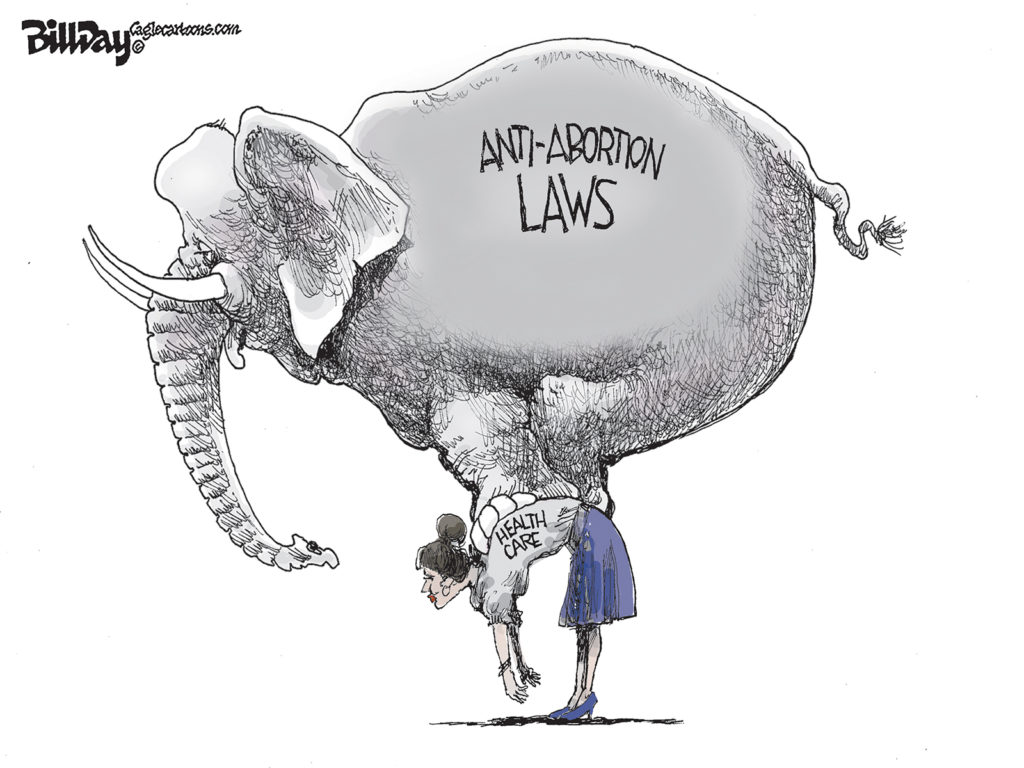
Aquaphant, A Bill Day Cartoon

by Bill Day. Memphian Bill Day is two-time winner of the RFK Journalism Award in Cartooning. His cartoons are syndicated internationally by Cagle Cartoons. Cartoons Archive →

Photograph by Amie Vanderford

More Images

Memphian Amie Vanderford is a photographer for peace and justice. Her portfolio includes photographs from Peru, Zimbabwe, Nepal, Indian, and her hometown.

  • Subscribe to Posts via Email

    You can get Smart City Memphis posts right in your e-mail box. Just sign up below to begin receiving them.


  • RSS

    • Fazilka Ecocabs Offers New Paradigm for Non-Motorized Transport in Indian Cities

    • China Transportation Briefing: Filling the Finance Gap

    • TheCityFix Picks, May 4: Spare the Air, Honoring Bloomberg, BRT Experience

    • BRT Experience, Day 1: Simple yet Captivating Marketing

    • BRT Experience, Day 1: Women-Only Access on Metrobus

    • We’re Hiring! Apply to Be TheCityFix Blogger

  • RSS

    • Microcities: The Rise of the Mini Home and the Walkable Neighbourhood

    • Crucible of Innovation, Memeplex of Modernity: Why Cities are Where ‘Ideas Have Sex’

    • Could Less Material Wealth Make us Happier?

    • Megacities: Eight Ideas from #citytalk for Developing Future Cities

    • Microcities: Five of the World’s ‘Smallest’ Cities

    • Megacities: Five of the World’s ‘Biggest’ Cities

  • RSS

    • An Urban Garden for Your Bus Stop

    • Want to Shame a Terrible Parker? There's an App for That

    • A Weekend Rodeo Commemorates World War I

    • What Really Matters for Increasing Transit Ridership

    • The Right Way to Zone for Transit-Oriented Development

    • Mapping Global Water Stress

  • Search Posts

  • About Smart City Memphis

    This is Smart City Consulting's blog and its purpose is to connect the dots and provide perspective on events, issues, and policies shaping Memphis and its future. Smart City Memphis was named one of the most intriguing blogs in the U.S. by the Pew Partnership for Civic Change, it was voted the best Memphis blog in About.com's Reader's Choice Awards, and The (Memphis) Commercial Appeal wrote: "Smart City Consulting provides some of the most well-thought-out thinking about Memphis' past, present, and future you'll find anywhere." Our blog's editor is Tom Jones, principal at Smart City Consulting and an editorial contributor at Memphis magazine, where he writes the monthly column, City Journal. Submit blog posts, ideas, suggestions, and emails to tjones@smartcityconsulting.com.
  • Archives

    • May 2012 (21)
    • April 2012 (31)
    • March 2012 (37)
    • February 2012 (32)
    • January 2012 (35)
    • December 2011 (29)
    • November 2011 (30)
    • October 2011 (34)
    • September 2011 (33)
    • August 2011 (39)
    • July 2011 (36)
    • June 2011 (41)
    • May 2011 (36)
    • April 2011 (57)
    • March 2011 (39)
    • February 2011 (45)
    • January 2011 (56)
    • December 2010 (44)
    • November 2010 (30)
    • October 2010 (28)
    • September 2010 (24)
    • August 2010 (22)
    • July 2010 (23)
    • June 2010 (34)
    • May 2010 (28)
    • April 2010 (32)
    • March 2010 (35)
    • February 2010 (31)
    • January 2010 (43)
    • December 2009 (49)
    • November 2009 (17)
    • October 2009 (24)
    • September 2009 (23)
    • August 2009 (18)
    • July 2009 (22)
    • June 2009 (28)
    • May 2009 (23)
    • April 2009 (23)
    • March 2009 (26)
    • February 2009 (25)
    • January 2009 (36)
    • December 2008 (15)
    • November 2008 (22)
    • October 2008 (21)
    • September 2008 (25)
    • August 2008 (23)
    • July 2008 (32)
    • June 2008 (27)
    • May 2008 (35)
    • April 2008 (26)
    • March 2008 (25)
    • February 2008 (29)
    • January 2008 (33)
    • December 2007 (20)
    • November 2007 (19)
    • October 2007 (32)
    • September 2007 (25)
    • August 2007 (25)
    • July 2007 (26)
    • June 2007 (16)
    • May 2007 (21)
    • April 2007 (25)
    • March 2007 (18)
    • February 2007 (16)
    • January 2007 (17)
    • December 2006 (16)
    • November 2006 (14)
    • October 2006 (18)
    • September 2006 (21)
    • August 2006 (20)
    • July 2006 (20)
    • June 2006 (17)
    • May 2006 (12)
    • April 2006 (19)
    • March 2006 (20)
    • February 2006 (23)
    • January 2006 (16)
    • December 2005 (23)
    • November 2005 (21)
    • October 2005 (23)
    • September 2005 (19)
    • August 2005 (27)
    • July 2005 (23)
    • June 2005 (16)
    • 0 (2)
  • Categories

  • Contributors

    • Aaron Shafer
    • Andrew Trippel
    • Anthony Siracusa
    • Barry Chase
    • Brad Leon
    • Brian Stephens
    • CEOs for Cities
    • Charles Santo
    • Chris Sanders
    • David Williams
    • Doug Imig
    • Elizabeth Alley
    • Emily Trenholm
    • Eric Mathews
    • Gene Pearson
    • Gene Pearson and Louise Mercuro
    • Greg Thompson
    • Gwyn Fisher
    • Janet Boscarino
    • Jim Strickland
    • Jimmie Covington
    • John Kirkscey
    • John Lawrence
    • Jonathan Flynt
    • Josh Whitehead
    • Julie Ellis
    • Kenya Bradshaw
    • Laura Adams
    • Leah Wells
    • Louise Mercuro, AICP
    • Lurene Cachola Kelley
    • Margot McNeeley
    • Mark James
    • Matt Farr
    • Matt Timberlake
    • Melissa Petersen
    • Natashia Gregoire
    • Ray Brown
    • Rev. Steve Montgomery
    • Robert Bain
    • SCM
    • Scott L. Newstok
    • Smart City Memphis
    • Smart City Radio
    • Steve Bares
    • Steve Lockwood
    • Susan Adler Thorp
    • Tom Jones
    • Tomeka Hart
    • Tommy Pacello
    • Women Unite
    • Zach Hoyt

© 2012 Smart City Memphis. All rights reserved.

  • Register
  • Log in
  • RSS
  • Smart City Radio
  • Smart City Consulting